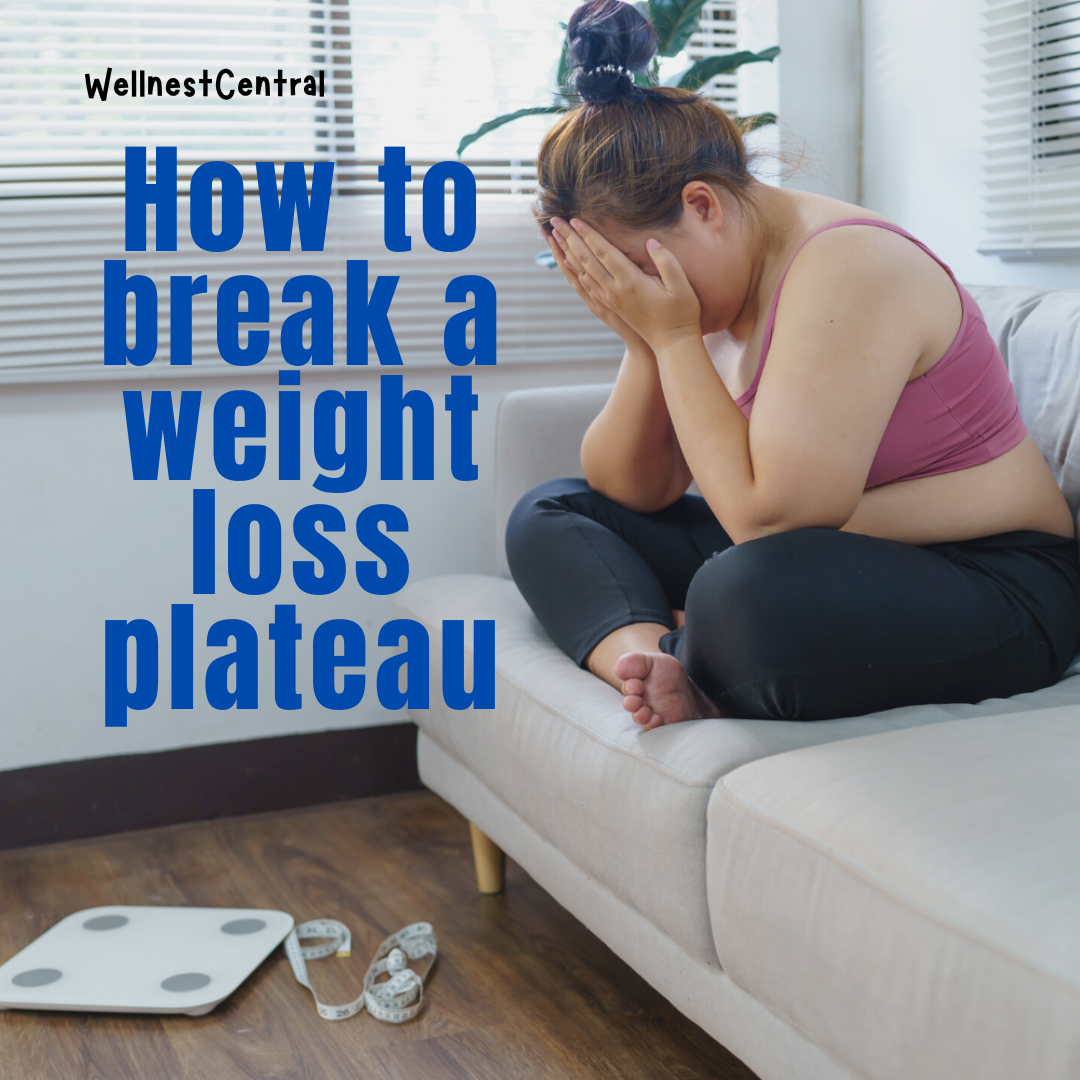
A weight-loss plateau is a period when your weight trend stops moving despite continued effort. It can be frustrating, but it is not proof that your metabolism is “broken” or that you need a detox, extreme fast or punishing workout.
As body weight decreases, the body generally needs less energy for movement and basic functions. Appetite, routine drift, water retention and normal scale variation can also make progress look stalled. The first step is to confirm the pattern, then adjust calmly.
RESET YOUR PLAN—NOT YOUR SELF-WORTH
A one-on-one consultation can help you review food, movement, sleep and stress patterns and choose realistic adjustments without extreme rules.
Is It a True Plateau or Normal Variation?
Body weight can change from day to day because of fluid, sodium, carbohydrate intake, bowel contents, the menstrual cycle, travel and exercise-related inflammation. One unchanged week may not represent a plateau.
Use the same scale under similar conditions and look at a multi-week trend. Waist measurement, clothing fit, fitness, strength, blood pressure and laboratory markers may also show progress that the scale misses.
Why Weight Loss Often Slows
- A smaller body usually burns fewer calories during rest and movement.
- Early water loss can make the first weeks look faster than later fat loss.
- Portions, drinks, snacks or weekends may gradually change without being obvious.
- Fatigue can reduce everyday movement even when planned workouts continue.
- Strength training may increase lean tissue and water stored in muscle.
- Medicines, sleep problems or health conditions can affect appetite, activity or weight.
9 Safe Ways to Move Forward
1. Recheck the Trend Before Cutting More Food
Review at least several weeks of consistent data when possible. If your waist, fitness or health markers are improving, maintaining the current plan may be more useful than reacting to one number.
2. Audit Portions and Drinks for a Short Period
A brief, nonjudgmental record can reveal changes in cooking oil, alcohol, sweetened drinks, restaurant portions and “small” bites. The aim is information, not perfect tracking. Avoid calorie counting if it worsens anxiety or disordered eating.
3. Protect Protein and Fibre
Include a source of protein and high-fibre plant food at meals when appropriate. Beans, lentils, vegetables, fruit, whole grains, eggs, fish, yoghurt, tofu and lean meats can support fullness and help preserve muscle. Increase fibre gradually and consider kidney, digestive and allergy needs.
4. Keep Strength Training in the Plan
Resistance exercise helps preserve or build muscle during weight loss. Use weights, bands or body-weight movements two or more days a week if medically appropriate. Start with technique and gradual progression rather than chasing exhaustion.
5. Adjust Cardio Gradually
Add a little time, frequency or intensity—not all three at once. Brisk walking, cycling, swimming and dancing all count. Choose joint-friendly options when pain limits impact, and allow recovery between harder sessions.
6. Increase Everyday Movement
Short walks, standing breaks, errands and household activity can meaningfully contribute to total movement. A realistic step increase may be easier to sustain than adding another intense workout.
7. Review Sleep and Stress
Short or disrupted sleep can increase hunger and reduce energy for activity. Stress can also change eating patterns. Set a consistent sleep window, reduce late caffeine and create one repeatable way to decompress.
8. Plan for Weekends and Social Meals
A plan that works only on quiet weekdays is incomplete. Decide what matters most at an event, eat regular meals beforehand and return to normal routines afterward. Compensation through fasting or excessive exercise often creates another cycle.
9. Ask Whether Maintenance Is the Right Goal for Now
A period of intentional maintenance can support recovery, practice and psychological wellbeing. It is not failure. Read more about weight regain and long-term maintenance.
When to Seek Professional Assessment
Speak with a healthcare professional if weight changes are rapid or unexplained, or if the plateau comes with severe fatigue, constipation, feeling unusually cold, swelling, irregular periods, excessive thirst, weakness or other new symptoms. Review medicines rather than stopping them independently.
If facial appearance is becoming the main measure of success, see how weight loss can change the face and why results vary.
What Not to Do
Avoid very-low-calorie diets without medical supervision, laxatives, vomiting, dehydration, unregulated “fat burners” and doubling exercise through pain. These strategies can cause injury, nutrient deficiencies, heart-rhythm problems and rebound eating.
Sources
- Centers for Disease Control and Prevention: Steps for losing weight
- NIDDK: Choosing a safe and successful weight-loss programme
This article is for general education and does not replace personalised medical, dietetic or mental-health care. If weight-control behaviours feel compulsive or unsafe, seek professional support.
MOVE FORWARD WITH A PLAN YOU CAN KEEP
Get practical, personalised support for nutrition, activity, sleep and stress—built around consistency rather than extremes.
Anthony Ofori | Medical Graduate in General Medicine | Founder, WellNest Central



Pingback: 5 Emotional Struggles of Weight Loss and Hair Loss: What You Need to Know to Protect Your Hair - Wellnest Central
Pingback: Cardio vs Strength Training for Weight Loss: How to Combine Them - Wellnest Central