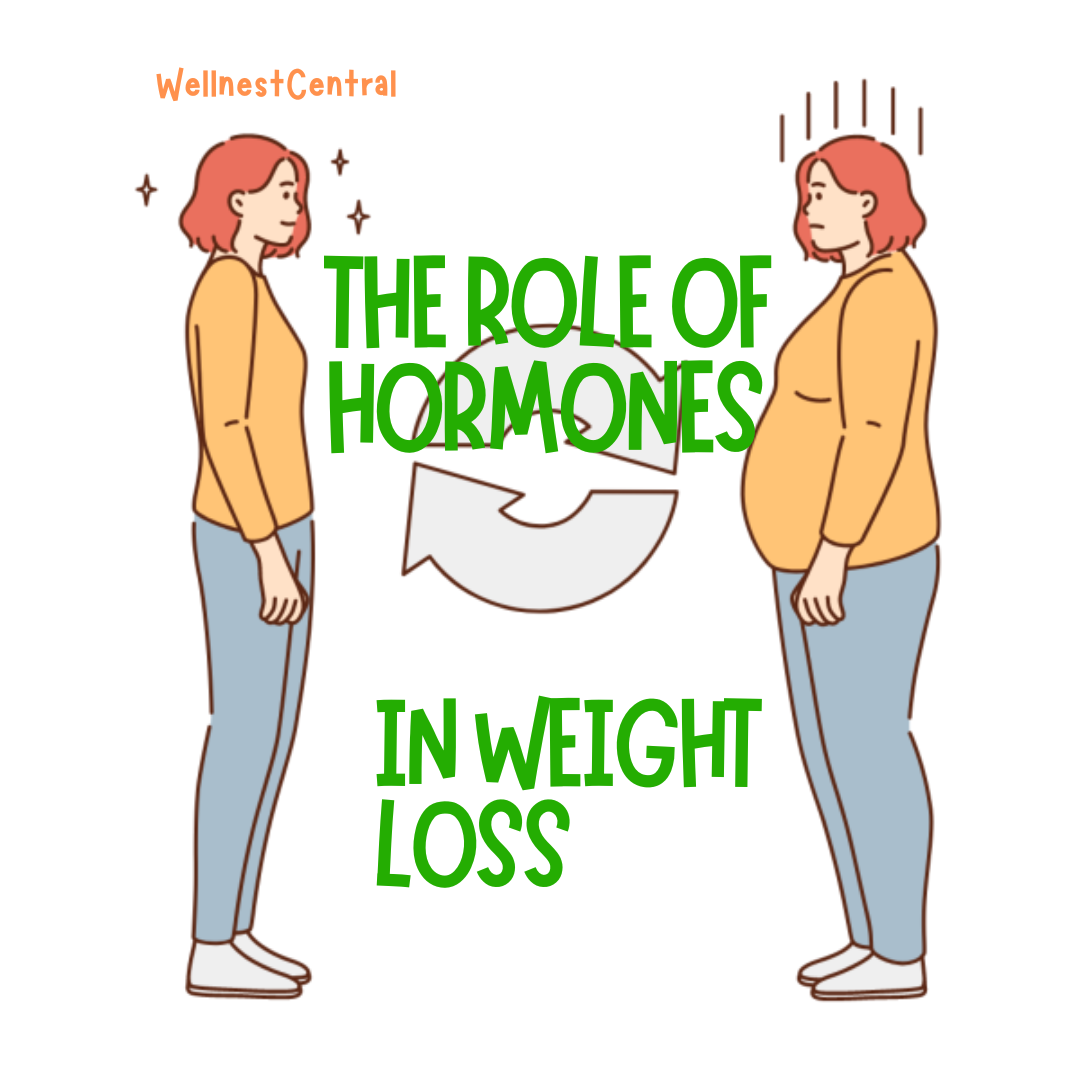
Hormones and weight loss are closely connected, but the internet often turns a complex system into a simple promise: “balance your hormones and the weight will fall off.” In reality, hormones influence hunger, fullness, energy use, fluid balance and fat distribution, while sleep, medicines, health conditions, food access, activity and genetics also matter.
Most people with overweight do not have a rare endocrine disease causing it. Still, symptoms can point to conditions worth assessing. The goal is not to order every hormone test or buy a “balance” supplement; it is to use the history, examination and appropriate tests to find treatable problems.
TURN COMPLEXITY INTO A PRACTICAL PLAN
A one-on-one consultation can help you organise food, sleep, movement, stress and symptom patterns and prepare focused questions for your healthcare professional.
Insulin: More Than a “Fat-Storage Hormone”
Insulin helps glucose move from the blood into cells and limits excessive glucose production by the liver. Insulin resistance means tissues respond less effectively, so the pancreas may produce more insulin to maintain glucose control. It is associated with type 2 diabetes and can occur alongside excess abdominal fat.
Calling insulin only a fat-storage hormone is misleading. Do not attempt to “keep insulin low” through extreme fasting or carbohydrate elimination without considering nutrition, medicines, pregnancy, eating-disorder risk and diabetes safety. Fibre-rich foods, physical activity, adequate sleep and weight reduction when appropriate can improve metabolic health.
Thyroid Hormones: Test When Symptoms Fit
An underactive thyroid can cause tiredness, feeling cold, constipation, dry skin, slowed thinking and weight gain. The weight change is often modest and may partly reflect fluid. Diagnosis requires blood tests interpreted in context; symptoms alone are not specific.
Thyroid hormone should treat diagnosed hypothyroidism, not be used as a weight-loss drug in someone with normal thyroid function. Excess thyroid hormone can cause bone loss, palpitations and dangerous heart rhythms.
Cortisol: Stress Is Not the Same as Cushing’s Syndrome
Cortisol is essential for responding to stress, maintaining blood pressure and regulating metabolism. Everyday stress may change sleep, appetite and eating patterns, but it does not mean the adrenal glands are “fatigued” or that a detox is required.
Cushing’s syndrome is a specific condition caused by prolonged excessive cortisol exposure, including from certain steroid medicines. Possible features include progressive central weight gain, a rounder face, easy bruising, wide purple stretch marks, muscle weakness, high blood pressure and diabetes. It needs medical testing; random commercial cortisol panels cannot establish the diagnosis.
Leptin and Ghrelin: Appetite Signals, Not Easy Targets
Leptin is produced mainly by fat tissue and helps signal longer-term energy stores. Ghrelin rises before meals and contributes to hunger. Weight loss can change these and other signals in ways that increase appetite, which helps explain why maintenance can be difficult.
There is no routine supplement that reliably “resets” leptin or ghrelin. Protein and fibre at meals, sufficient sleep, regular meal patterns and an environment that reduces constant food cues may make appetite easier to manage. Read more about why weight regain happens.
Sex Hormones, Menopause and Body Composition
During menopause, falling oestrogen occurs alongside age-related changes in muscle, sleep and activity. Fat distribution may shift toward the abdomen even without a dramatic change in total weight. Resistance training, adequate protein and sleep support are useful, but they do not “restore” oestrogen.
Menopausal hormone therapy has specific benefits and risks and should be considered for appropriate symptoms with a qualified clinician—not prescribed solely as a weight-loss treatment.
In men, confirmed testosterone deficiency can affect sexual function, bone and muscle, but nonspecific fatigue or weight gain alone does not diagnose it. Testosterone therapy is not a routine slimming strategy.
PCOS and Irregular Cycles
Polycystic ovary syndrome can involve irregular or absent periods, excess facial or body hair, acne, fertility difficulties and insulin resistance. Not everyone with PCOS has overweight, and weight stigma can delay useful care.
Treatment is individual and may address cycle protection, fertility, skin or hair symptoms, metabolic risk and wellbeing. Restrictive diets marketed as a universal “PCOS cure” are not required.
When Hormone Testing May Be Appropriate
See a healthcare professional when weight change is rapid or unexplained, or accompanied by persistent fatigue, marked cold intolerance, constipation, neck swelling, easy bruising, purple stretch marks, muscle weakness, irregular periods, new excess hair growth, sexual dysfunction, excessive thirst or changes after starting a medicine.
Testing should answer a clinical question. Large direct-to-consumer panels can produce borderline results that create anxiety without improving care. Timing, medication use, menstrual phase and illness can affect some tests.
What Supports Weight Management Regardless of Hormones
- A modest, sustainable energy deficit rather than severe restriction.
- Meals built around protein, high-fibre plants and minimally processed foods.
- A combination of aerobic and muscle-strengthening activity.
- Consistent sleep and treatment of sleep apnoea when present.
- Review of medicines that may affect weight—without stopping them independently.
- Regular reassessment and a maintenance plan.
If progress has slowed, use the guide to weight-loss plateaus and nine safe ways forward rather than escalating to extreme restriction.
Sources
- National Institute of Diabetes and Digestive and Kidney Diseases: Endocrine diseases
- Endocrine Society: Obesity
- NIDDK: Cushing’s syndrome
This article is for general education and does not diagnose a hormone condition or replace personalised medical or dietetic care.
BUILD A PLAN AROUND YOUR REAL LIFE
Get practical lifestyle support grounded in sustainable habits—not hormone hacks, blame or miracle products.
Anthony Ofori | Medical Graduate in General Medicine | Founder, WellNest Central


Pingback: 7 Surprising Reasons You’re Not Losing Weight on Semaglutide – And How to Fix It Fast! - Wellnest Central
Pingback: How Beliefs Affect Your Health: The Science of Healing From Within
Pingback: Cardio vs Strength Training for Weight Loss: How to Combine Them - Wellnest Central
Pingback: Cortisol Belly: Can Stress Really Cause Belly Fat? - Wellnest Central