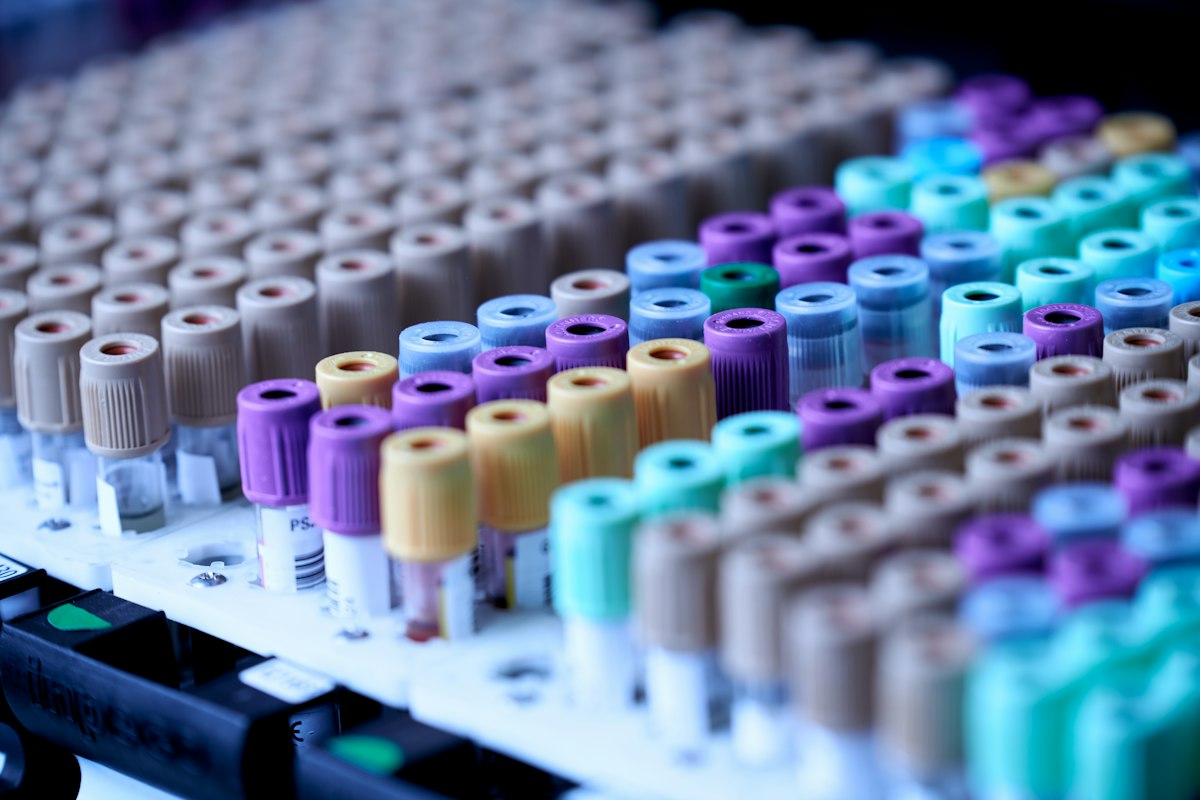
ApoB Testing
ApoB adds information about cholesterol-carrying particles. Learn who may benefit from testing and why the result needs context.
ApoB adds information about cholesterol-carrying particles. Learn who may benefit from testing and why the result needs context.

Fructosamine provides a shorter view of average blood glucose than A1C. Learn when it can help and why it also has important limitations.
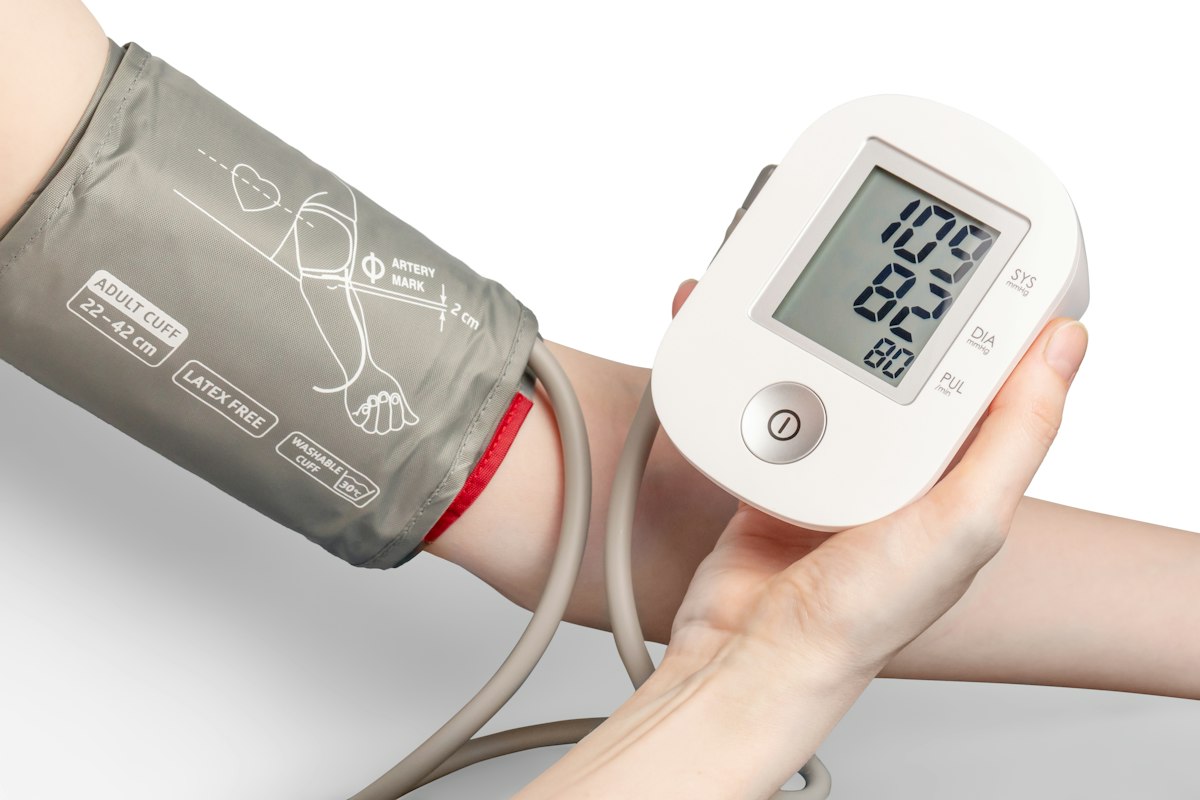
Blood pressure that stays high despite several medicines needs a structured review. Learn what doctors check before diagnosing resistant hypertension.

A kidney biopsy can answer questions that blood tests and scans cannot. Here is how to prepare, understand recovery, and discuss the results.
An ordinary ultrasound and FibroScan answer different questions. Learn why your clinician may request both and why one stiffness number is not a diagnosis.
High cholesterol is not always explained by food choices alone. Thyroid function can be part of the assessment, especially when results change unexpectedly.

Persistent tiredness does not automatically mean CPAP has failed. A structured review can identify equipment problems, untreated sleep time, or another cause.
A wearable monitor records blood pressure during ordinary activities and sleep. Preparation and a useful diary help your clinician interpret the pattern.
The lower number on your monitor measures diastolic pressure. Learn why it matters alongside the top number, your symptoms, and the quality of the measurement.

Steroids can raise glucose even in someone without known diabetes. A monitoring plan helps you use necessary treatment safely without changing doses yourself.