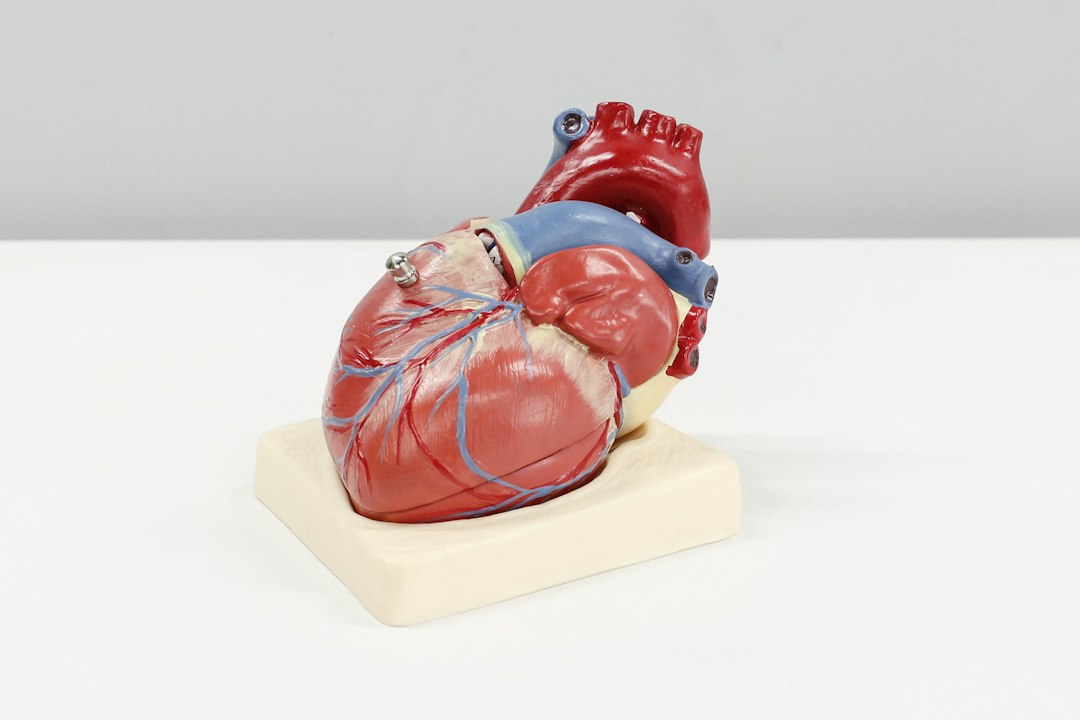
Coronary Calcium
A coronary calcium scan can help clarify uncertain prevention decisions. Understand what the score adds and what it cannot tell you.
A coronary calcium scan can help clarify uncertain prevention decisions. Understand what the score adds and what it cannot tell you.
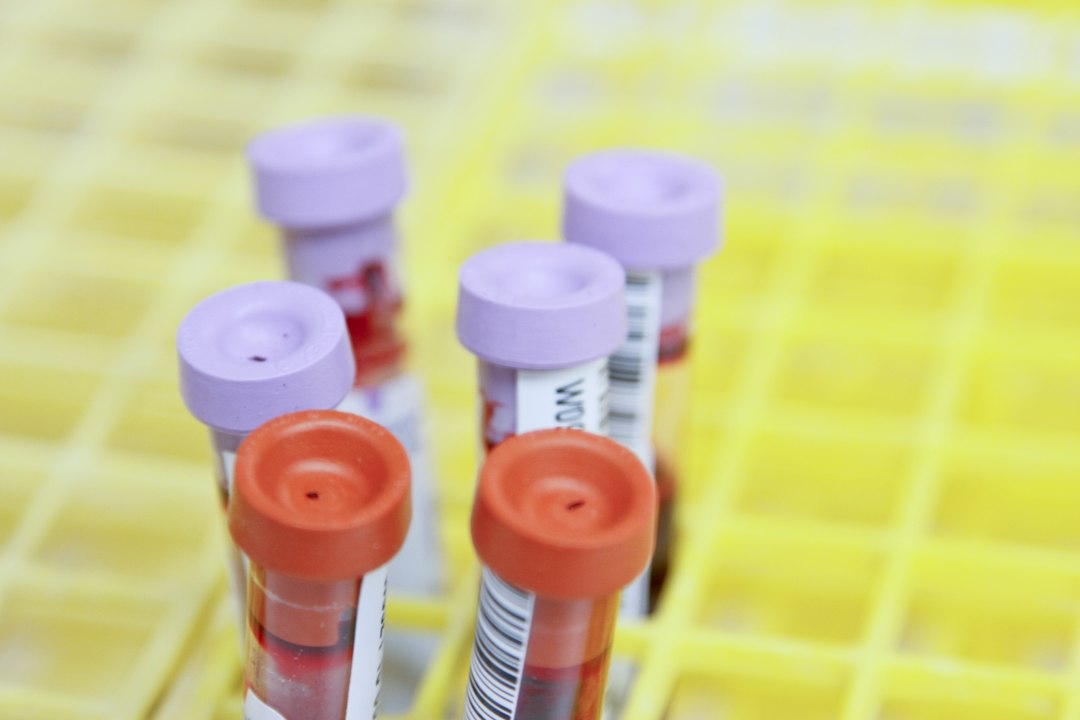
Low hemoglobin in kidney disease can have several causes. Learn why testing goes beyond iron and how to prepare for a useful treatment discussion.

A urine culture needs to be interpreted with symptoms and sample quality. Learn what common result terms mean and what to ask next.

A kidney infection needs prompt medical care. Understand the symptoms, tests, and follow-up questions that help you act without delay.

Gallstones may be silent or cause significant abdominal pain. Learn the warning signs and what to expect from assessment and treatment discussions.

Going gluten-free before testing can make celiac disease harder to diagnose. Learn how the investigation works and what to ask your clinician.

Dairy-related bloating does not always mean you must avoid every dairy food. Understand lactose intolerance and how to find a suitable eating pattern.

Morning jaw discomfort or worn teeth may suggest nighttime grinding. Learn what to discuss with your dentist and when sleep symptoms matter.

An urge to move your legs at night can disrupt sleep. Learn how restless legs is assessed and why self-prescribing iron is not the answer.

Type 2 diabetes can enter remission, but improved glucose does not end follow-up. Understand the definition, realistic options, and ongoing care.