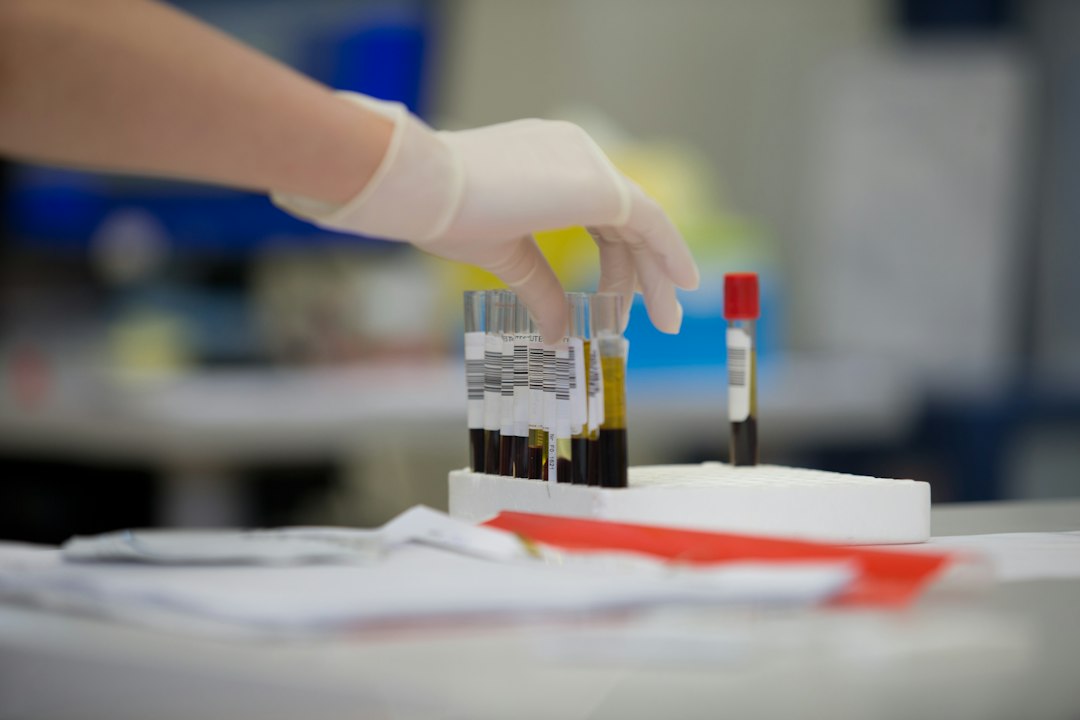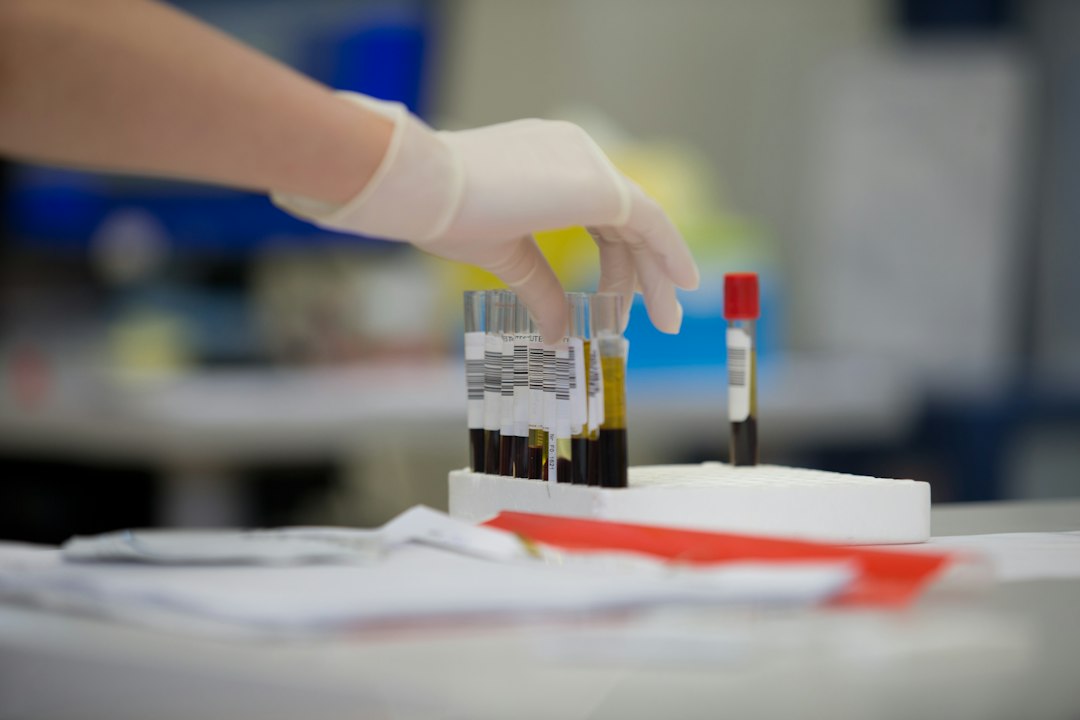
High Urine Albumin Once: Does It Mean Kidney Disease?
A high urine albumin or uACR result on one sample needs follow-up, not an instant diagnosis. Learn what can affect the test and how to plan a repeat.
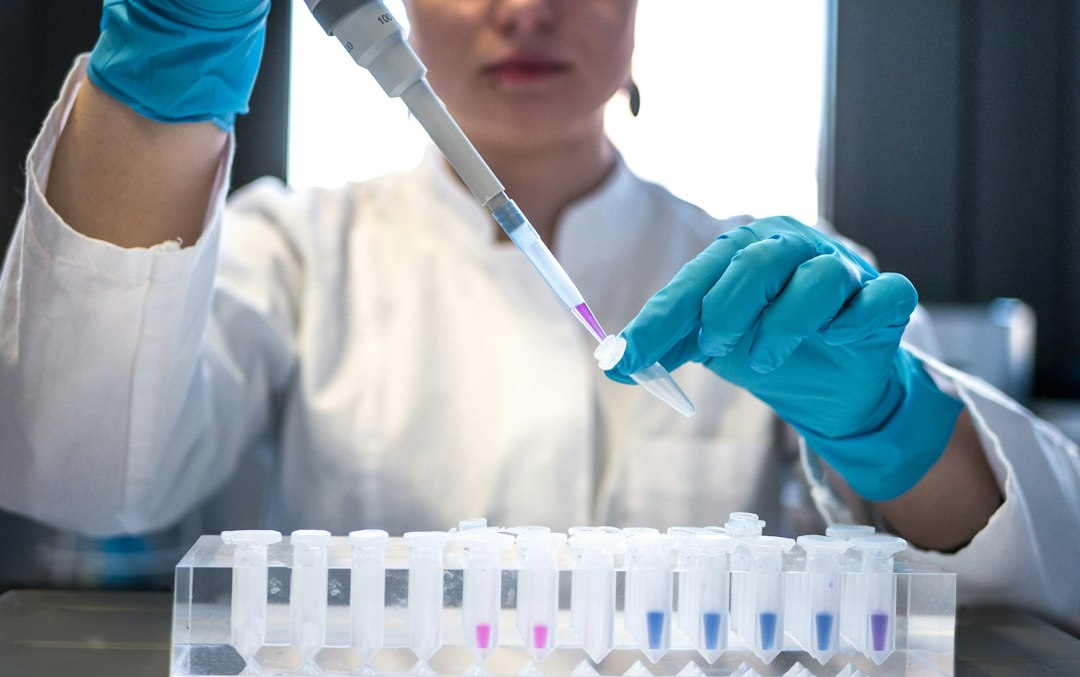

High fasting insulin with normal glucose can be a clue, but it is not a diagnosis. Learn how to interpret the test and which results to discuss next.
High BUN with normal creatinine can reflect hydration, protein intake, medicines or kidney issues. Learn what the full report can tell you and what to ask next.
Low albumin on a blood test can reflect more than protein intake. Learn why blood and urine albumin differ, possible causes and useful next questions.
Low sodium on a blood test is often about water balance, not simply dietary salt. Learn common causes, urgent symptoms and what to ask before changing fluids or medicine.
Non-HDL cholesterol is total cholesterol minus HDL. Learn what it adds to a lipid panel, how it differs from LDL and triglycerides, and what to ask about your personal risk.
High calcium on a blood test needs context. Learn how total and ionized calcium differ, what PTH may show, and when symptoms call for urgent assessment.
A high uric acid result does not automatically mean gout. Learn what can raise the level, when symptoms need care and what to ask at follow-up.
High triglycerides can matter even when LDL appears normal. Learn what the full lipid panel, fasting status and overall health history mean for your next steps.
High potassium on a blood test needs timely interpretation. Learn about kidney function, medicines, sample errors, urgent symptoms and the questions to ask next.