Read more about the article Waking Up to Pee at Night: What Your Pattern May Be Telling You
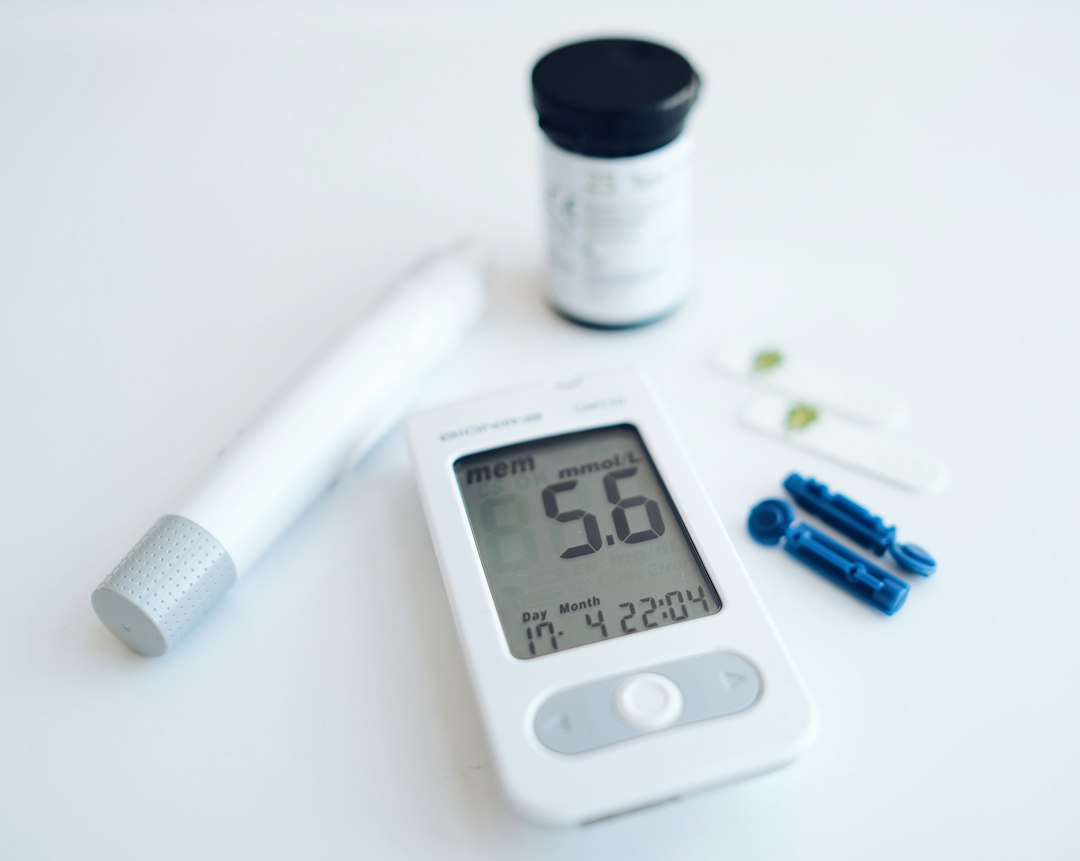
Noting when you wake and how much you pass can make nighttime trips easier to understand.

Waking Up to Pee at Night: What Your Pattern May Be Telling You

Waking up to pee at night can reflect evening drinks, bladder symptoms or interrupted sleep. A short diary helps you spot the pattern and discuss next steps.

Continue ReadingWaking Up to Pee at Night: What Your Pattern May Be Telling You
Read more about the article Blood Sugar When Sick: Why It Can Rise Even If You Eat Less
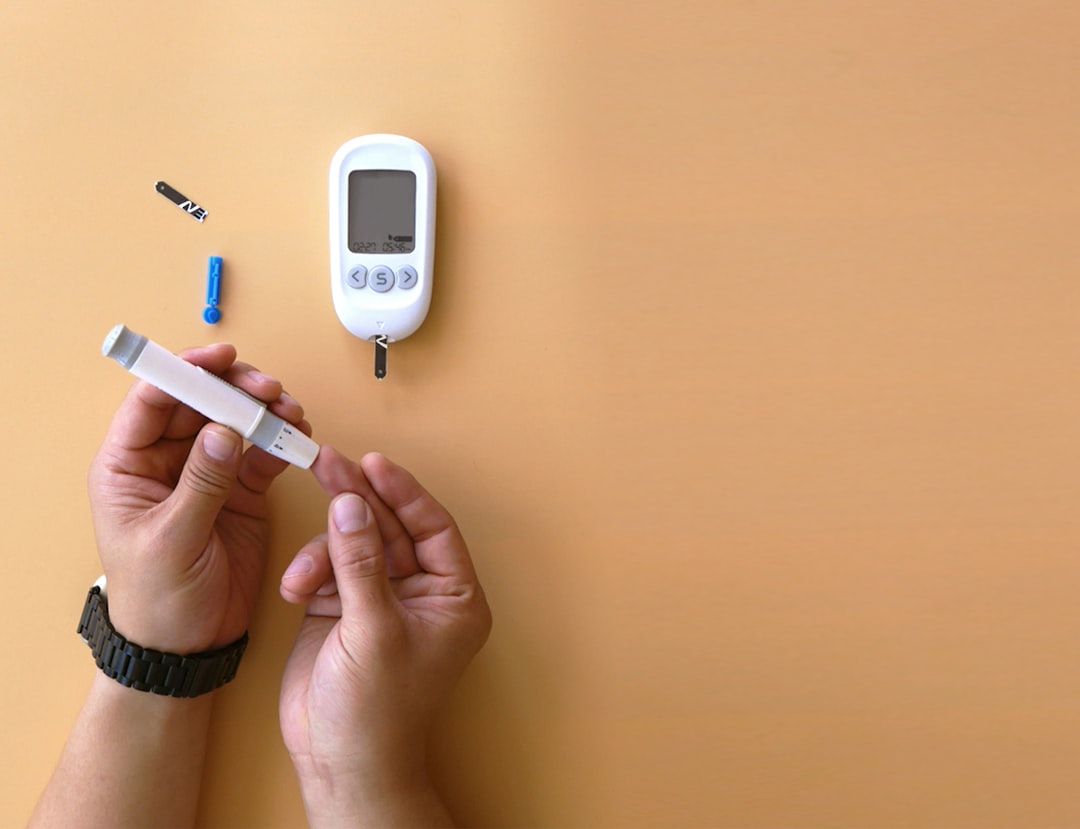
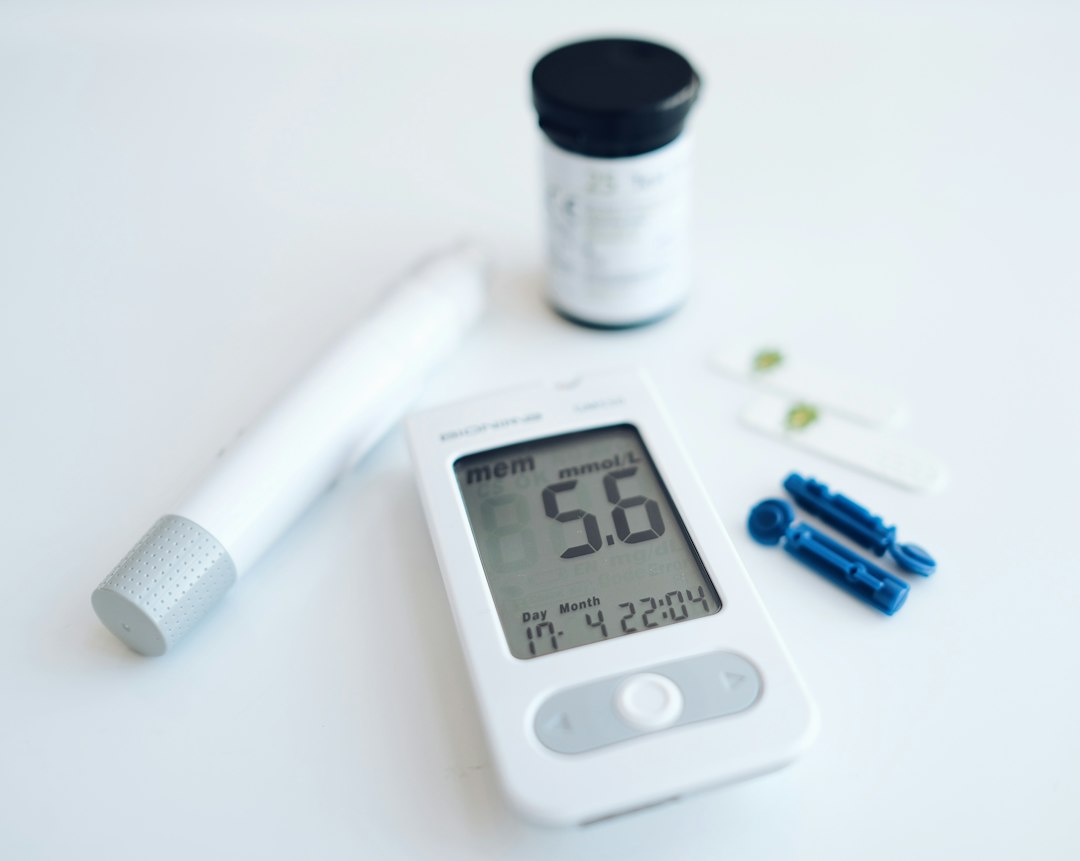
A glucose meter can help you follow your sick day monitoring plan.

Blood Sugar When Sick: Why It Can Rise Even If You Eat Less

Blood sugar when sick may rise even if your appetite disappears. Here is how illness affects glucose and what to discuss in a personal sick day plan.

Continue ReadingBlood Sugar When Sick: Why It Can Rise Even If You Eat Less
Read more about the article Metformin and Vitamin B12: Can Your Levels Fall Over Time?
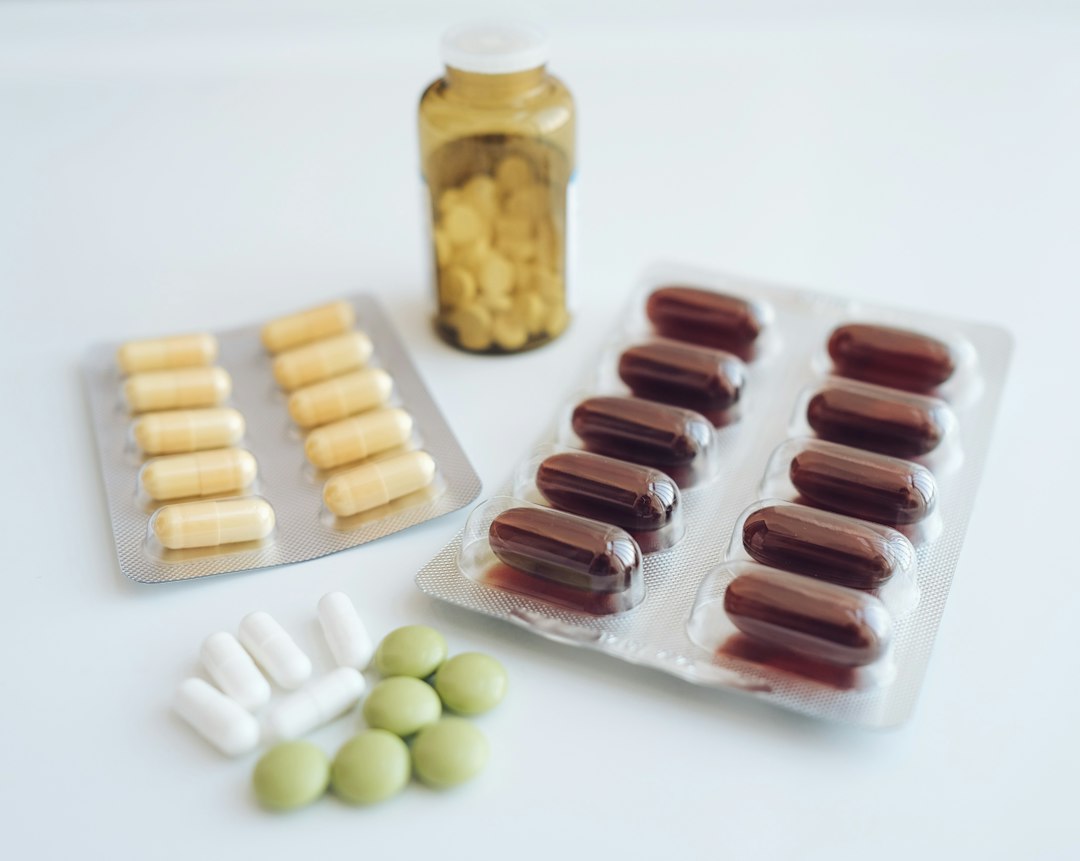
A conversation about symptoms and testing can help guide vitamin B12 care.

Metformin and Vitamin B12: Can Your Levels Fall Over Time?

Metformin can reduce vitamin B12 levels over time. Learn which signs to notice, when to ask about testing and what treatment options may involve.

Continue ReadingMetformin and Vitamin B12: Can Your Levels Fall Over Time?
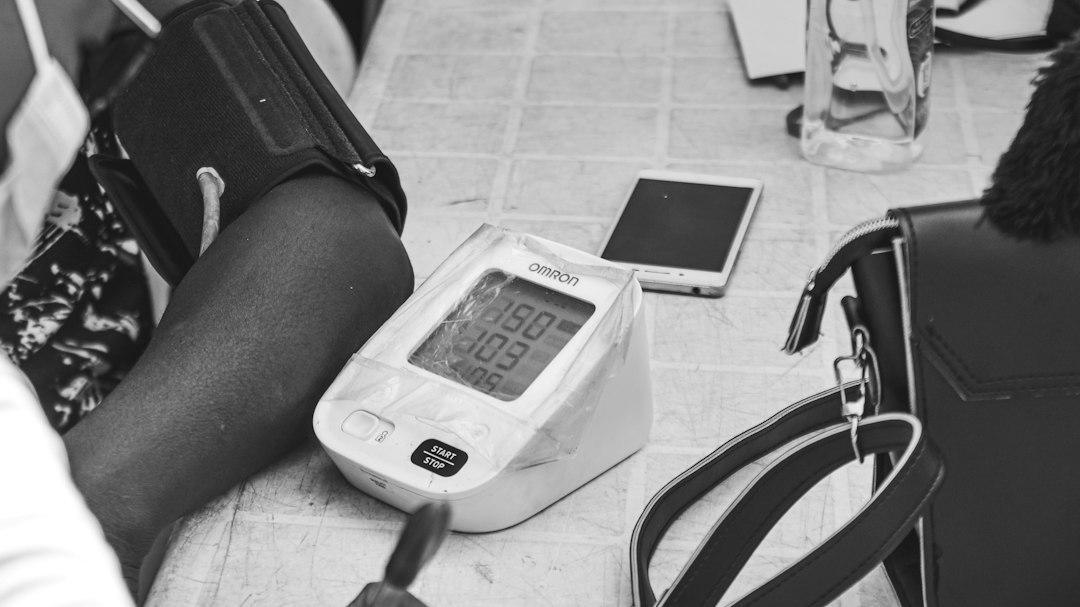
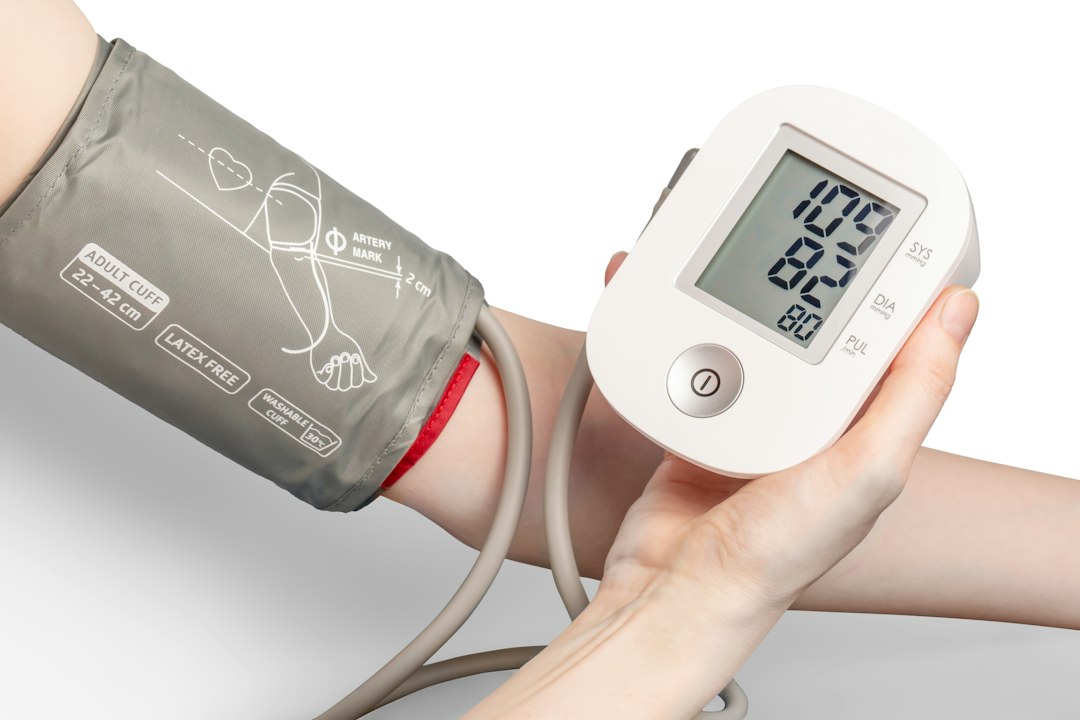
Read more about the article Why Is Your First Blood Pressure Reading Higher Than the Second?
A quiet pause and a second reading can make your home blood pressure record more useful.

Why Is Your First Blood Pressure Reading Higher Than the Second?

A first blood pressure reading may be higher than the next one. Learn how rest, position and repeat measurements help you make sense of the numbers.

Continue ReadingWhy Is Your First Blood Pressure Reading Higher Than the Second?
Read more about the article When Should You Check Blood Sugar After Eating: 1 Hour or 2 Hours?
Blood glucose meter used for home monitoring.

When Should You Check Blood Sugar After Eating: 1 Hour or 2 Hours?

When should you check blood sugar after eating? Learn whether to measure at one or two hours, when the clock starts, and how to interpret your result.

Continue ReadingWhen Should You Check Blood Sugar After Eating: 1 Hour or 2 Hours?
Read more about the article Iron Deficiency and A1C: Can Anemia Make the Result Look High?
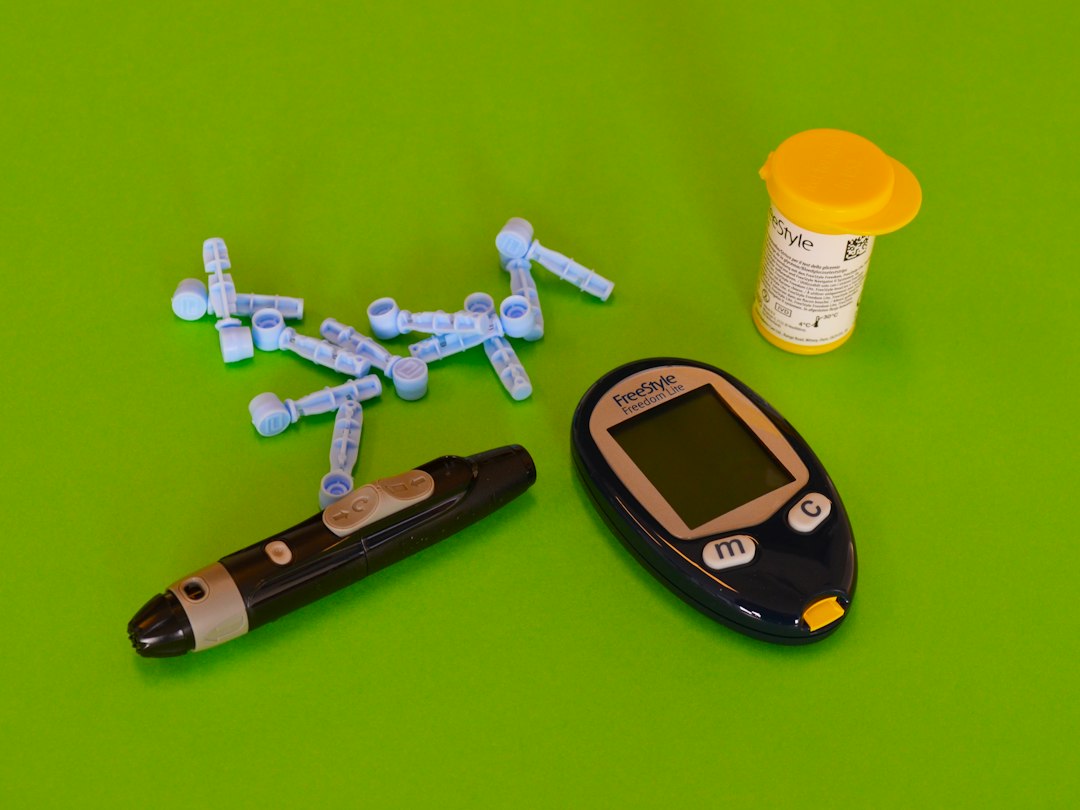
Blood glucose testing supplies.

Iron Deficiency and A1C: Can Anemia Make the Result Look High?

Iron deficiency and A1C can complicate a blood sugar result. Learn when anemia may make A1C look high, which iron and glucose tests can help, and what to ask your clinician.

Continue ReadingIron Deficiency and A1C: Can Anemia Make the Result Look High?