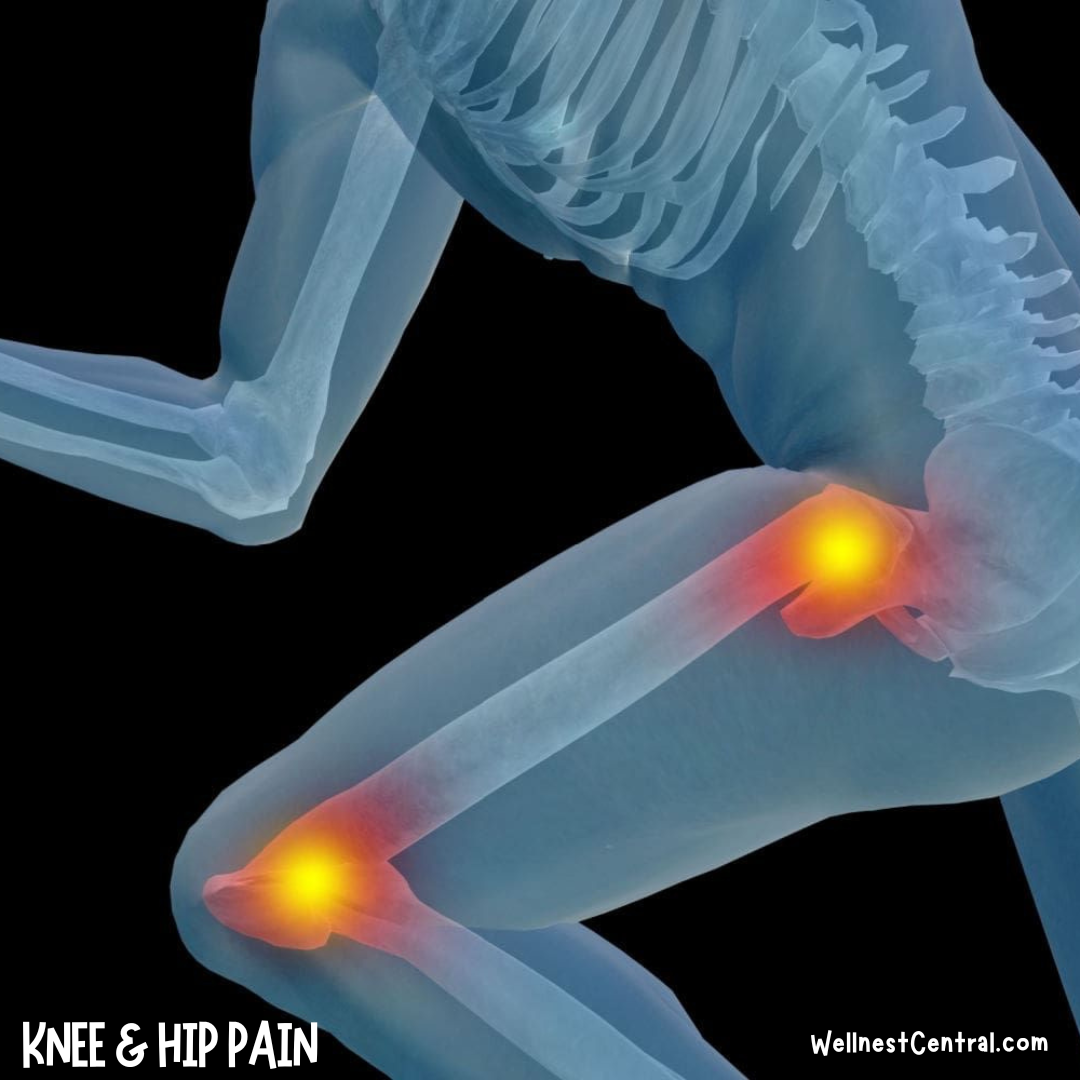
Can knee pain cause hip pain? Yes—sometimes. A painful knee can change the way you stand and walk, increasing the load on the hip and the muscles around it. However, pain felt in both areas does not always mean the knee is the original cause. A hip condition, a lower-back problem or two separate joint problems can create a similar pattern.
The safest approach is to look at the whole movement chain rather than treating one painful spot in isolation. The location of the pain, how it started, what makes it worse and whether there is swelling or weakness all help clarify what may be happening.
PERSONALISED SUPPORT FOR JOINT HEALTH
Knee or hip discomfort can make everyday movement frustrating. A one-on-one consultation can help you review lifestyle factors, daily habits and practical questions to discuss with your healthcare professional.
Why Knee and Hip Pain Can Appear Together
The hip, knee and ankle work as a connected system whenever you walk, climb stairs, sit down or rise from a chair. Muscles of the thighs, hips and buttocks help control how force travels through these joints.
If knee pain makes you shorten one step, lean to one side or avoid putting weight on one leg, the muscles and tissues around the hip may work differently. Over time, that compensation can contribute to hip or outer-thigh discomfort. This is an indirect effect of knee pain—not pain physically “spreading” from one joint to another.
The reverse is also possible. Pain arising from the hip can sometimes be felt around the thigh or knee. That is why a clinician may examine both joints, even when one area hurts more.
Common Reasons for Pain in Both Areas
1. An Altered Walking Pattern
Knee arthritis, a sprain, tendon irritation or another painful knee problem may change your gait. The opposite hip may then take more load, while the hip on the painful side may move through a different range. The result can be muscle fatigue, stiffness or pain around the hip.
2. Weakness or Reduced Movement Control
Weak hip and buttock muscles can affect the alignment of the thigh and knee during walking, squatting or running. This does not mean that weakness is always the cause, but it may contribute to symptoms in some people. A physiotherapist can assess strength, balance and movement rather than relying on a generic exercise plan.
3. Osteoarthritis or Other Joint Conditions
Osteoarthritis can affect either the knee or hip, and some people have changes in both. Typical features may include pain with activity, stiffness after rest and reduced movement. Symptoms vary, and an X-ray finding alone does not always explain how much pain someone feels.
4. Pain Referred From the Hip or Lower Back
Hip-joint problems can sometimes be experienced as thigh or knee pain. Irritation of nerves or structures in the lower back can also produce pain that travels into the leg. Numbness, tingling, burning pain or weakness makes a nerve-related cause more important to consider.
5. Two Separate Problems at the Same Time
Not every case has one single explanation. For example, prolonged sitting may irritate the hip while a previous knee injury flares after activity. A careful history and examination can help separate related symptoms from coincidental ones.
Clues That May Help Explain the Pattern
- Pain began after a knee injury: compensation or reduced weight-bearing may be affecting the hip.
- Groin pain with reduced hip movement: the hip itself may need closer assessment.
- Pain mainly on the outside of the hip: surrounding tendons or soft tissues may be involved.
- Knee swelling, locking or giving way: the knee needs direct assessment.
- Numbness, tingling or pain from the back into the leg: a nerve or lower-back source may be contributing.
- Pain during long journeys: review our guide to reducing knee pain while driving.
These clues are not a diagnosis. Symptoms overlap, and self-testing cannot reliably identify every cause.
What You Can Do Initially
Reduce Aggravating Activity Without Becoming Completely Inactive
Temporarily reduce movements that sharply increase pain, but avoid prolonged complete rest unless a clinician has advised it. Gentle, comfortable movement can help prevent unnecessary stiffness.
Use Cold or Heat Sensibly
For a recent painful or swollen knee, a wrapped cold pack for up to 20 minutes may help. Some people prefer warmth for muscle tightness or longer-standing stiffness. Protect the skin and stop if either method worsens symptoms.
Review Your Daily Movement
Notice whether you are limping, leaning to one side, sitting for long periods or repeatedly using stairs. Small adjustments—such as breaking up sitting time and pacing activity—may reduce irritation while you arrange an assessment.
Be Cautious With Pain Medicines
Over-the-counter medicines are not suitable for everyone. Anti-inflammatory medicines can interact with other drugs and may be inappropriate with kidney disease, stomach ulcers, heart problems or certain other conditions. Ask a pharmacist or clinician what is safe for you.
When to Seek Medical Help
Arrange a clinical assessment if pain persists for several weeks, keeps returning, limits normal activities or is getting worse. A clinician may assess your gait, joint movement, strength, swelling and tenderness. Imaging is sometimes useful, but it is not automatically required for every case.
Seek urgent help if:
- you cannot move the knee or put weight on the leg;
- the joint is badly swollen, deformed, hot or red;
- you have fever or feel acutely unwell with a hot, painful joint;
- the knee repeatedly locks or gives way after an injury;
- one calf becomes suddenly swollen, warm or painful, especially with chest pain or breathlessness.
Can Exercise Help?
Appropriate exercise often supports recovery and long-term joint function, but the right programme depends on the cause. Common rehabilitation goals include restoring comfortable movement, strengthening the thighs and hips, and improving balance and walking control.
Exercises should not be forced through sharp or rapidly worsening pain. If you are unsure which joint is driving the problem—or symptoms follow an injury—seek individual guidance before starting a demanding routine.
The Key Takeaway
Knee pain can contribute to hip pain by changing how you move, but the relationship can also work in the opposite direction. Sometimes both areas hurt for different reasons. Persistent or function-limiting symptoms deserve an assessment that considers the knee, hip, back and the way you walk.
Sources
This article is for general health education and does not replace diagnosis or treatment from a qualified healthcare professional.
READY FOR PRACTICAL, PERSONALISED GUIDANCE?
Book a private one-on-one consultation with Anthony Ofori to discuss joint-supportive daily habits, movement, weight management where relevant, and how to prepare useful questions for your healthcare professional.
Pingback: Knee and Calf Pain: 7 Possible Causes and Warning Signs - Wellnest Central