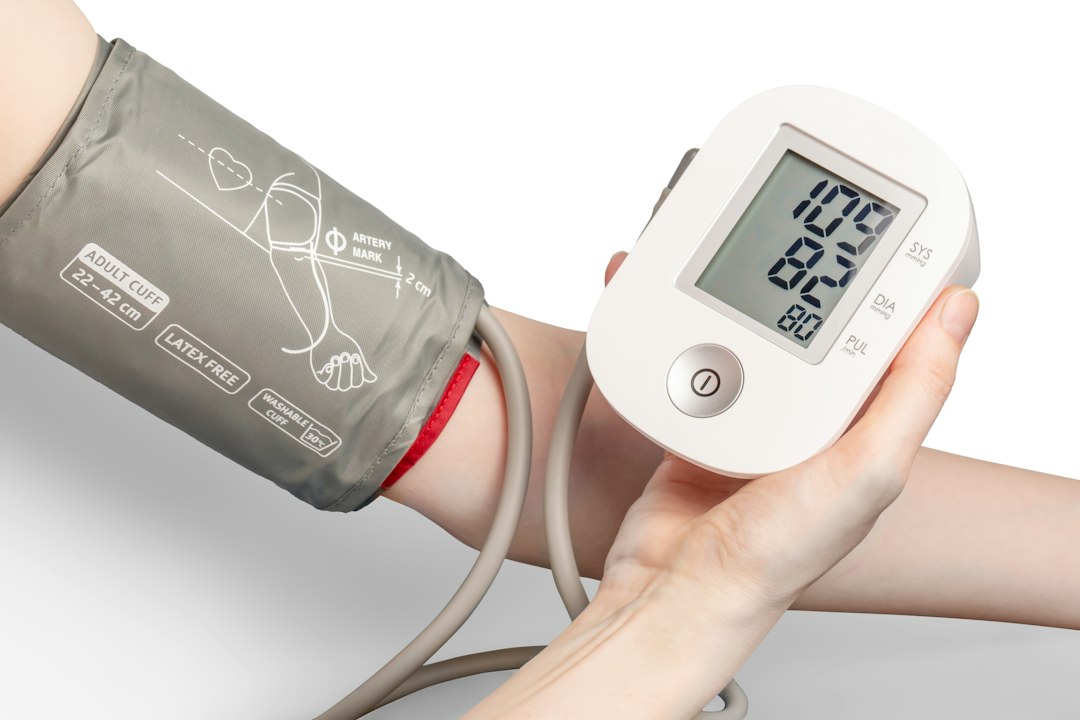
Quick answer: Yes. A full bladder can make your blood pressure reading higher than it would be after you use the bathroom. That is why the CDC and American Heart Association (AHA) advise emptying your bladder before a measurement. If a number surprises you, take a careful repeat reading and look at the pattern over time. Do not assume that a full bladder explains every high result.
You have rushed into a clinic, held your urine while waiting, and had a cuff placed on your arm almost as soon as you sat down. The number on the screen is higher than you expected. Does it reflect your usual blood pressure, or the conditions of that particular moment? The answer matters because decisions about follow-up and treatment depend on reliable measurements.
Anthony Ofori | Medical Graduate in General Medicine | Founder, WellNest Central
Last updated: 25 September 2026
Why can a full bladder change the number?
Blood pressure is a measurement taken at one moment, and the conditions around that moment can affect it. A full bladder is one of the preparation details that can push the reading up temporarily. The American Medical Association specifically includes emptying the bladder among the steps for reliable home measurements. The amount of change varies, so no single correction can be subtracted from a reading taken while you needed the bathroom.
A high result after you have been holding urine is still a real measurement; it is simply a measurement made under less consistent conditions. Treat it as a reason to measure again properly, not as proof that you do or do not have hypertension. A pattern of readings taken correctly tells your clinician more than one isolated number.
How to recheck your blood pressure at home
If you feel well and the result is higher than expected, pause before repeatedly pressing the start button. First, make the measurement conditions as consistent as possible:
- Use the bathroom. Empty your bladder before sitting down to rest.
- Give yourself time. Avoid smoking, caffeinated drinks and exercise for at least 30 minutes before the measurement. If you have just come in from an activity, allow time to settle.
- Sit quietly for five minutes. Support your back, keep both feet flat on the floor and leave your legs uncrossed. Do not talk, scroll or take a call during the rest and reading.
- Position the cuff correctly. Use a validated automatic upper-arm monitor with a cuff that fits. Place it on bare skin and support your arm on a table so the cuff is at heart level.
- Take two readings. Measure twice, about one minute apart, and record both results with the date and time. Follow the schedule your healthcare professional recommends.
These steps follow the AHA home monitoring guidance. The goal is a repeatable routine, not a search for the lowest possible number. Write down the first surprising result as well as the repeat measurements, including the fact that your bladder was full for the first one. This context helps your care team interpret the record.
Need help making sense of your readings?
If your home and clinic numbers disagree, contact WellNest Central to discuss your log and the questions to take to your healthcare professional.
What if the high reading happened at a clinic?
Tell the person taking your blood pressure that you need to use the bathroom, especially if the first reading is unexpectedly high. Ask whether you can sit quietly with your back supported and feet on the floor before they repeat it. A cuff over clothing, an unsupported arm, talking or a rushed measurement can also alter the result. You do not need to guess which factor mattered most; a properly repeated reading is more useful.
If you check at home, bring your monitor and your written log to an appointment. Your healthcare professional can check that the cuff fits and compare your technique with the office method. The AHA notes that home monitoring can help confirm a diagnosis and assess treatment, but it does not replace clinical follow-up.
When should a high reading prompt medical advice?
If your repeat measurements remain above the range your healthcare professional has set for you, share the readings and ask about next steps. A single elevated result is not enough to diagnose hypertension, yet consistently high measurements deserve attention. Do not stop or change prescribed blood pressure medication because a reading falls after you empty your bladder; discuss any changes with your prescriber.
There is an important exception to the ordinary “rest and recheck” approach. If your blood pressure is higher than 180/120 mm Hg, wait at least one minute and measure again. If it is still that high, contact a healthcare professional immediately. If it is that high and you have chest pain, shortness of breath, weakness, numbness, vision changes or trouble speaking, call your local emergency number. The AHA advises emergency care in that situation.
Three practical questions to ask about a surprising result
- Were the conditions right? Think about your bladder, the previous half-hour, your resting time, cuff fit and arm position.
- What happened on a careful repeat? Record the repeated numbers rather than replacing the first one in your log.
- Is there a pattern? Several well-taken readings over days are more informative than a single snapshot. Agree with your healthcare professional on when and how often to measure.
Blood pressure can be high without obvious symptoms. For more on why symptoms alone cannot tell you your numbers, read our guide to high blood pressure and fatigue.
The takeaway
Use the bathroom before a blood pressure check, then rest and measure with the right cuff and position. If your first reading was taken with a full bladder, record the circumstances and repeat it correctly. Persistent high numbers still need a conversation with a healthcare professional. For help organising questions about your results, you can reach WellNest Central.
This article is for general health education and does not replace individual medical diagnosis, treatment or emergency care.



Pingback: Why Is Your First Blood Pressure Reading Higher Than the Second? - Wellnest Central