NAD+ supplements have become a major part of the longevity conversation. Products containing nicotinamide mononucleotide (NMN) or nicotinamide riboside (NR) are promoted for energy, metabolism, brain health, exercise performance and slower ageing. The biological story is interesting—but the marketing often moves much faster than the human evidence.
Human studies show that some NAD+ precursors can raise NAD-related compounds in the blood. That is a measurable biochemical effect. It does not yet prove that taking NMN or NR makes people live longer, prevents age-related disease or reliably produces more day-to-day energy. This guide explains the difference, along with the practical questions to ask before buying.
Affiliate disclosure: This article contains an affiliate link. If you make a purchase through it, WellNest Central may earn a small commission at no extra cost to you. Recommendations remain based on relevance, evidence and safety considerations.
PERSONALISED HEALTH GUIDANCE
Do Your Supplements Match Your Actual Needs?
A one-to-one consultation can help you review your health goals, medicines, nutrition and supplement routine without following every new wellness trend.
What Is NAD+?
Nicotinamide adenine dinucleotide, usually shortened to NAD+, is a molecule found in every living cell. It helps enzymes transfer energy from food into processes the body can use. It is also involved in DNA repair, cellular stress responses and the activity of enzymes called sirtuins.
Your body makes NAD+ using several building blocks, including forms of vitamin B3. NMN and NR are marketed as NAD+ “precursors,” meaning the body can use them in pathways that produce NAD+.
NAD+ itself is not simply an energy drink inside the cell. It participates in complex biochemical systems that are tightly regulated. Raising one blood marker does not automatically mean every tissue receives the same effect or that a person will feel more energetic.
Why Are NAD+ Supplements So Popular?
Interest grew largely from laboratory and animal research linking NAD+ metabolism with ageing, mitochondrial function and metabolic health. NAD+ concentrations appear to change with age in some tissues and research settings. This led to a plausible question: could restoring NAD+ improve health during ageing?
That question is worth studying. The difficulty is that findings in cells and animals do not guarantee meaningful benefits in humans. Human ageing is influenced by genetics, sleep, physical activity, nutrition, smoking, alcohol, stress, social conditions, blood pressure, blood sugar and many other factors. No capsule can replace that larger picture.
NMN, NR and Niacinamide: What Is the Difference?
Nicotinamide mononucleotide (NMN)
NMN is an intermediate molecule in NAD+ production. Small human trials have examined its effects on NAD-related markers, metabolic health, physical function and safety. Products vary considerably in dose, formulation and quality.
Nicotinamide riboside (NR)
NR is another vitamin B3-related precursor. Several controlled trials show that oral NR can increase NAD+ metabolism in blood. NR has been studied in healthy adults and in people with obesity, metabolic conditions or other health concerns, but clinical outcomes have been inconsistent.
Niacin and niacinamide
Niacin and niacinamide are established forms of vitamin B3 and also contribute to NAD+ production. They are not identical to NMN or NR. High-dose niacin can cause flushing and other adverse effects, while high doses of different B3 forms may affect the liver, blood glucose or medicines. Do not treat these ingredients as freely interchangeable.
What Do Human Studies Actually Show?
NR can raise NAD-related blood markers
A small randomised crossover trial in healthy middle-aged and older adults found that NR was well tolerated over six weeks and increased NAD+ metabolism. The study also reported exploratory findings related to blood pressure and arterial stiffness, but it was not designed to prove that NR prevents cardiovascular disease or extends life.
An eight-week randomised trial in healthy overweight adults also found dose-related increases in whole-blood NAD+ with NR. Adverse-event rates were not significantly different from placebo during the study. However, the trial was short and industry-linked, so it cannot establish long-term benefits or safety for the general population.
NMN has shown a specific metabolic signal in one small trial
In a controlled study of postmenopausal women with prediabetes, NMN improved muscle insulin sensitivity and insulin-signalling measures. It did not improve every measured metabolic outcome. The result is scientifically interesting, but one small, specific study population cannot show that NMN treats diabetes or benefits everyone.
Several hoped-for outcomes have not been demonstrated consistently
A 12-week randomised trial in middle-aged men with obesity and insulin resistance found that high-dose NR did not significantly change skeletal-muscle mitochondrial respiration, content or morphology. Across the wider field, trials are generally small, short and focused on biomarkers rather than outcomes such as fewer heart attacks, less dementia, preserved independence or longer life.
What NAD+ Supplements Have Not Proven
Current human evidence does not establish that NMN or NR:
- slows biological ageing in a clinically meaningful way;
- extends human lifespan;
- prevents dementia, cancer, diabetes or heart disease;
- reliably improves fatigue in otherwise healthy adults;
- replaces exercise, sleep or a nutrient-rich diet; or
- works equally well for every age group or medical condition.
“Raises NAD+” and “makes you live longer” are very different claims. The first has support in selected human studies. The second remains unproven.
Possible Side Effects and Unanswered Questions
Short-term trials often describe NMN and NR as reasonably well tolerated, but reported effects can include nausea, digestive discomfort, headache or changes in sleep. Product quality and dose may influence the experience.
The larger uncertainty is long-term use. Many trials lasted only weeks or a few months. We have far less information about taking these products continuously for years, combining them with multiple supplements, or using them during active illness.
NAD+ biology is also involved in cell survival and repair. This does not prove that NAD+ precursors cause cancer, but it is one reason people with active cancer, a history requiring ongoing oncology follow-up, or current cancer treatment should discuss use with their specialist rather than self-prescribing.
Who Should Get Medical Advice First?
Speak with a doctor or pharmacist before trying NMN, NR or a high-dose vitamin B3 product if you:
- are pregnant or breastfeeding;
- have liver or kidney disease;
- have diabetes or take glucose-lowering medicine;
- have active cancer or are receiving cancer treatment;
- take several prescription medicines or supplements;
- are preparing for surgery; or
- have persistent fatigue, weakness or unexplained weight loss.
Fatigue can result from anaemia, thyroid disease, sleep apnoea, depression, infection, medicine effects, blood-sugar problems and other conditions. A longevity supplement should not delay an appropriate assessment.
How to Assess an NAD+ Supplement
- Identify the exact ingredient. “NAD booster” is vague. Check whether the label contains NMN, NR, niacinamide, niacin or a mixture.
- Check the amount per serving. Do not assume that a larger dose produces a larger health benefit.
- Avoid proprietary blends. You should be able to see the quantity of each active ingredient.
- Look for independent quality testing. A professional-looking label is not proof of identity, purity or potency.
- Review every added ingredient. Some formulas include stimulants, herbs or high-dose vitamins that introduce separate risks.
- Be sceptical of disease and lifespan claims. Testimonials, before-and-after stories and animal studies cannot establish a human clinical benefit.
- Set a measurable reason for using it. “Anti-ageing” is not a measurable goal. Decide what outcome you expect and how you will judge whether the cost is worthwhile.
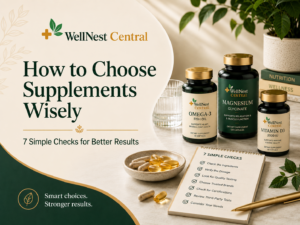
For more help evaluating labels and marketing claims, read How to Choose Supplements Wisely: 7 Simple Checks. You can also review the WellNest Supplement Guide before building a routine.
If you decide to explore longevity-focused products after reviewing the evidence and your health circumstances, you can browse supplement options from Life Extension. Availability and formulations can vary by country, so always read the current label and local product information.
A Better Foundation for Healthy Ageing
It is easy to focus on one molecule because it feels precise and modern. The strongest foundations for healthy ageing remain less glamorous:
- regular resistance and aerobic exercise;
- adequate sleep and treatment of sleep disorders;
- a varied diet with sufficient protein, fibre and micronutrients;
- healthy blood pressure, blood sugar and cholesterol management;
- not smoking and keeping alcohol intake low;
- maintaining social connection and mental wellbeing; and
- appropriate screening and medical follow-up.
These habits affect multiple ageing pathways at once and have real-world human outcome data. If you struggle with consistency, wellness stacking can help you attach small health actions to routines you already follow.
Are NAD+ Supplements Worth Trying?
For a healthy person who understands the uncertainty and can afford the cost, a carefully selected product may be a personal experiment rather than a proven anti-ageing treatment. Expectations should remain modest. An increase in a laboratory biomarker may occur without a noticeable improvement in energy or health.
Before buying, ask three questions:
- What specific outcome am I trying to improve?
- Have I addressed more likely causes of the problem?
- Will this product add value without replacing better-supported actions?
If the main reason is persistent tiredness or a new symptom, an assessment is more useful than adding another capsule.
The Bottom Line
NAD+ supplements are biologically plausible and scientifically interesting. Human trials show that NMN and NR can influence NAD+ metabolism, and a few studies have found specific metabolic signals. Evidence that they slow human ageing, prevent disease or extend life is not established.
Choose cautiously, avoid miracle claims, review medicines and medical conditions, and treat lifestyle foundations as the priority. The most honest conclusion is neither “they never work” nor “everyone should take them.” It is that the biology is promising, while the clinical evidence is still developing.
BUILD A SAFER, SIMPLER ROUTINE
Get Personalised Guidance Before Adding Another Supplement
Book a private consultation with Anthony Ofori for practical support with nutrition, supplements, metabolic health and sustainable lifestyle changes.
Anthony Ofori | Medical Graduate in General Medicine | Founder, WellNest Central
Selected References
- Martens et al. Chronic nicotinamide riboside supplementation in healthy middle-aged and older adults
- Conze et al. Safety and metabolism of nicotinamide riboside in healthy overweight adults
- Yoshino et al. NMN and muscle insulin sensitivity in prediabetic women
- Dollerup et al. NR and skeletal-muscle mitochondrial outcomes in insulin-resistant men
- NIH Office of Dietary Supplements: Dietary Supplements—What You Need to Know
This article provides general health education and does not replace individual medical diagnosis or treatment. Speak with a qualified healthcare professional before using NMN, NR or other supplements if you have a medical condition, take medicines, are pregnant or breastfeeding, or are receiving cancer treatment.