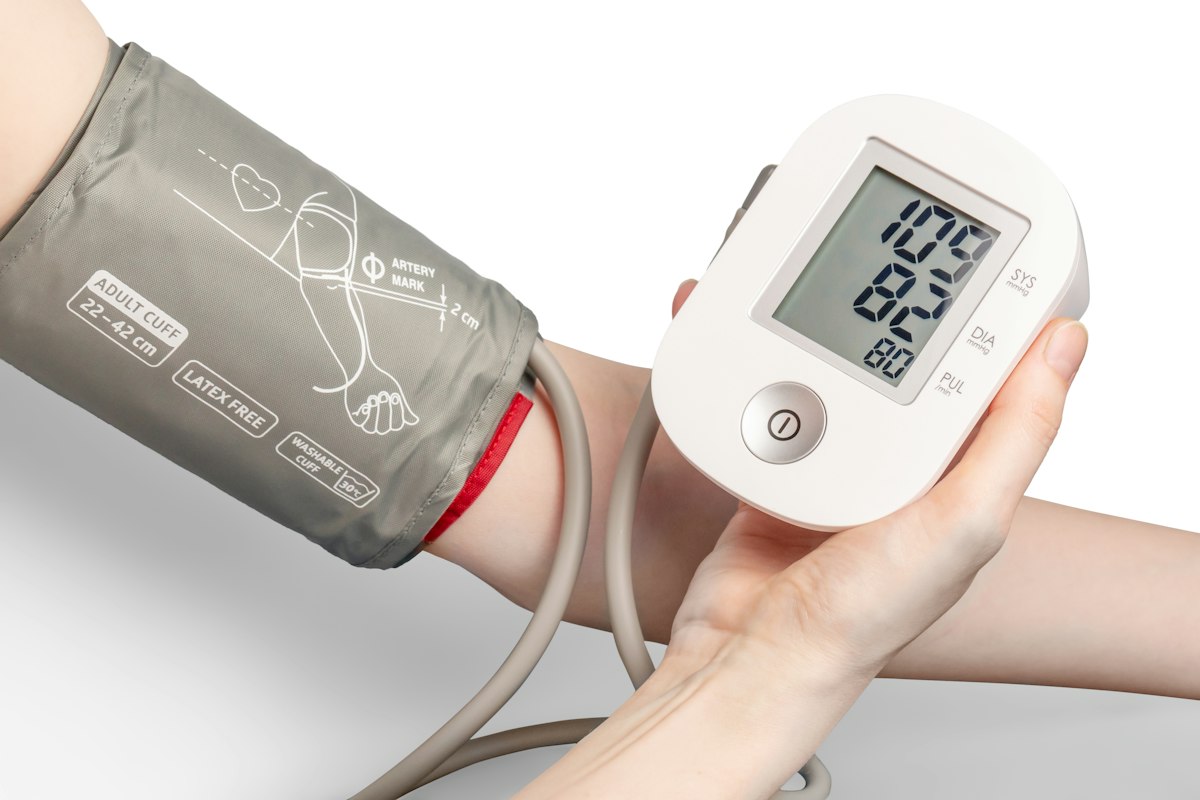
Why Is Your Blood Pressure Higher in Winter?
Winter can change both circulation and daily habits. Learn how to monitor blood pressure consistently and avoid dismissing a persistent rise as “just the cold.”
Winter can change both circulation and daily habits. Learn how to monitor blood pressure consistently and avoid dismissing a persistent rise as “just the cold.”
A meal-related fall in blood pressure can cause dizziness or weakness. Learn how it differs from ordinary sleepiness and what to discuss with your clinician.
A normal blood pressure reading can occur alongside a fast heart rate. Understand common triggers, how to record the pattern, and symptoms that need urgent care.
Learn why blood pressure can differ between arms, how to compare readings properly, which arm to use, and when to seek medical advice.
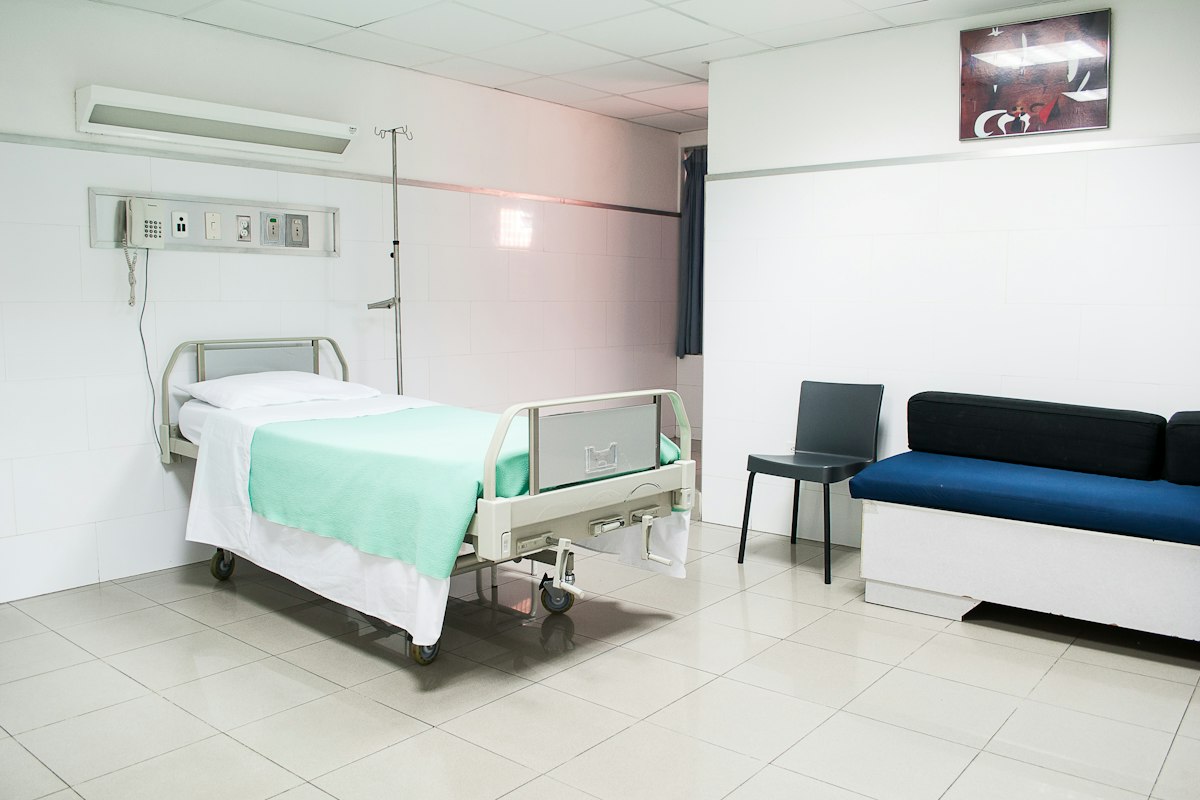
A kidney ultrasound shows structure, but does not replace kidney function tests. Learn what it can detect, how to prepare, and what to ask afterward.
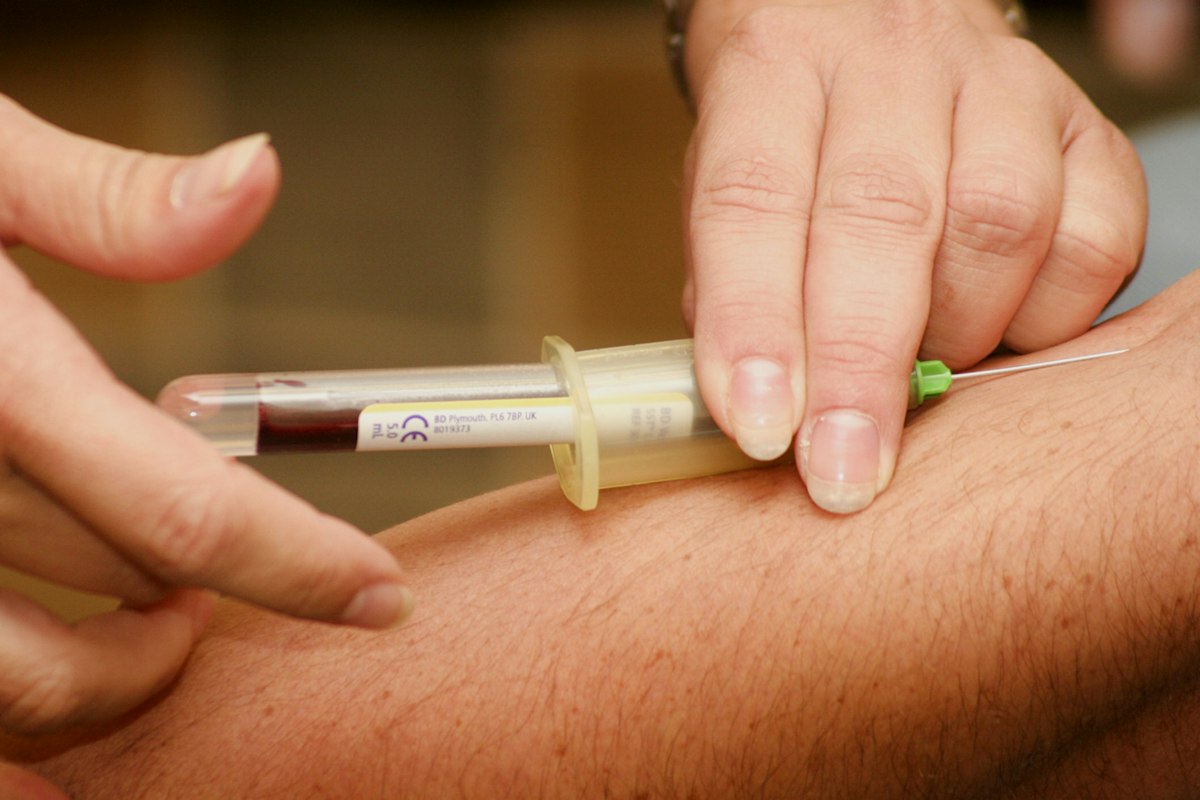
High lipoprotein(a) can occur with normal cholesterol. Understand the test, units, inherited risk, and questions to discuss with your clinician.
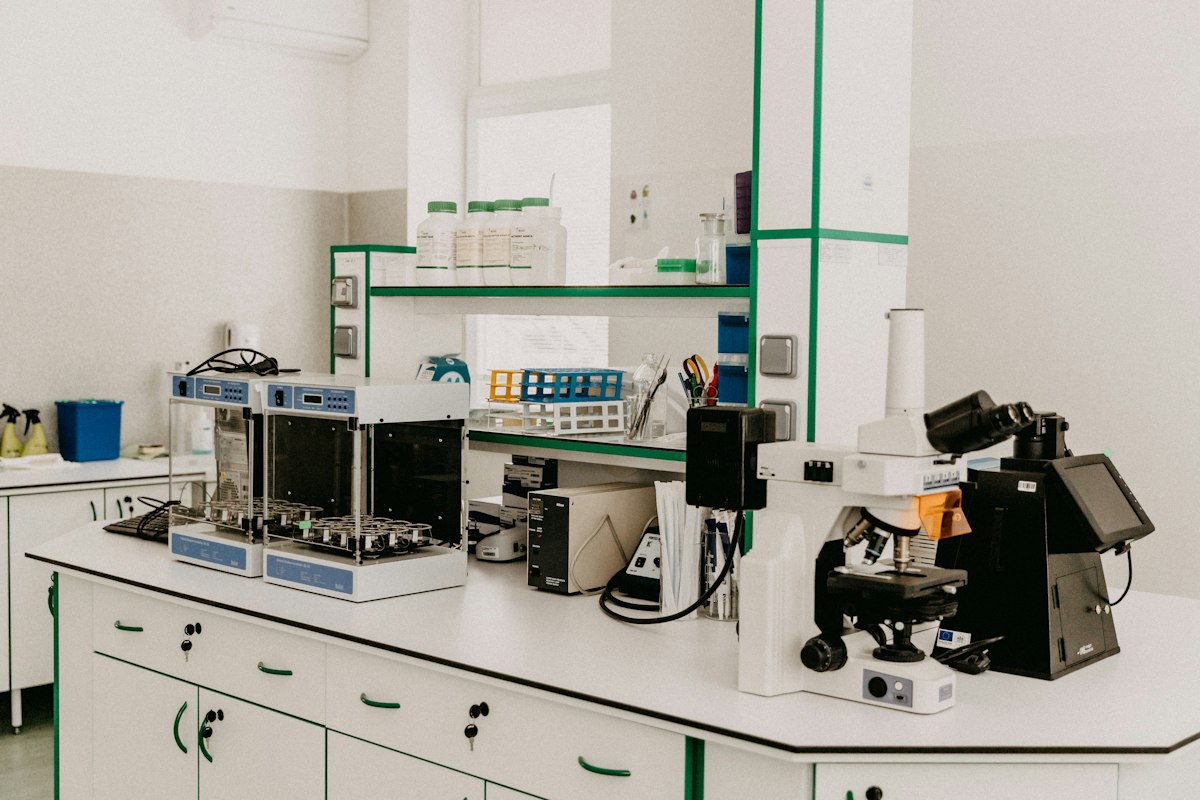
Preparing for a urine albumin test? Learn about exercise, hydration, first-morning samples, clean-catch collection, and what to tell your clinic.
A blood pressure cuff that is too small can raise your reading. Learn how to check the fit, measure accurately, and know when to seek help.
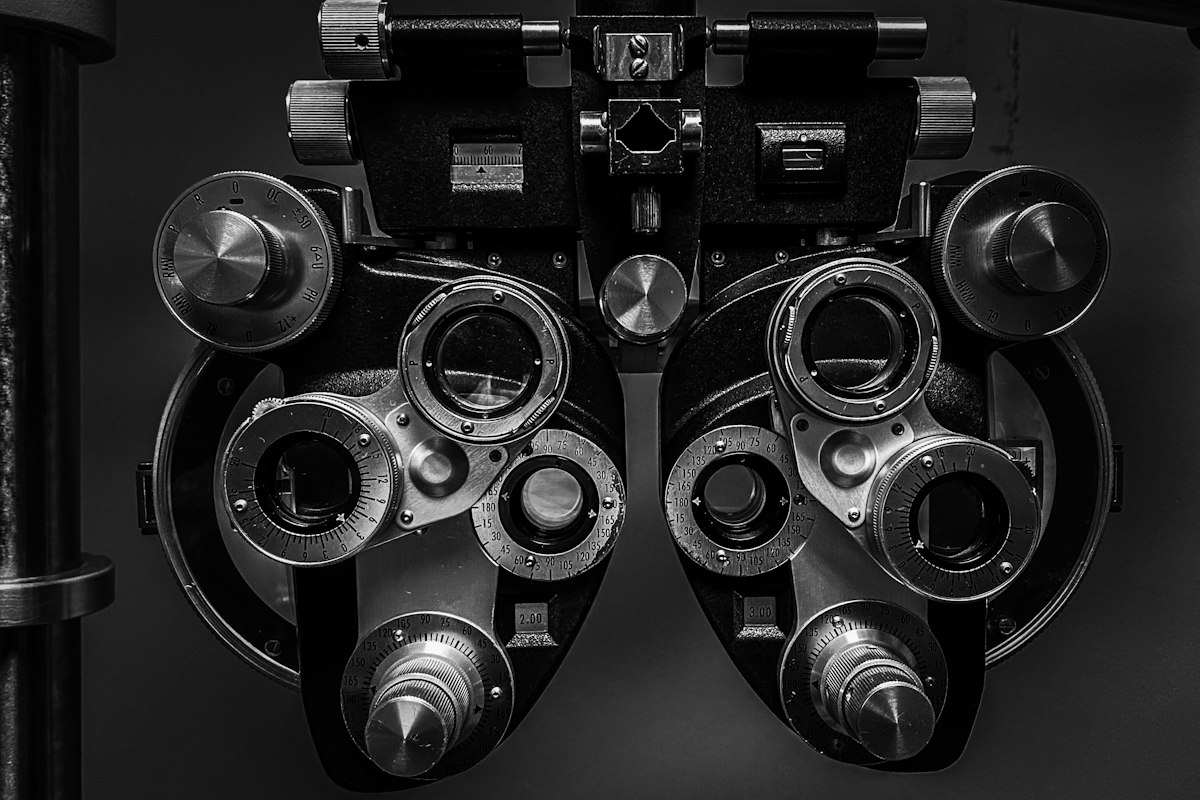
Clear vision does not rule out early diabetic eye disease. Learn when to arrange an eye exam, what dilation involves, and which vision changes need urgent care.
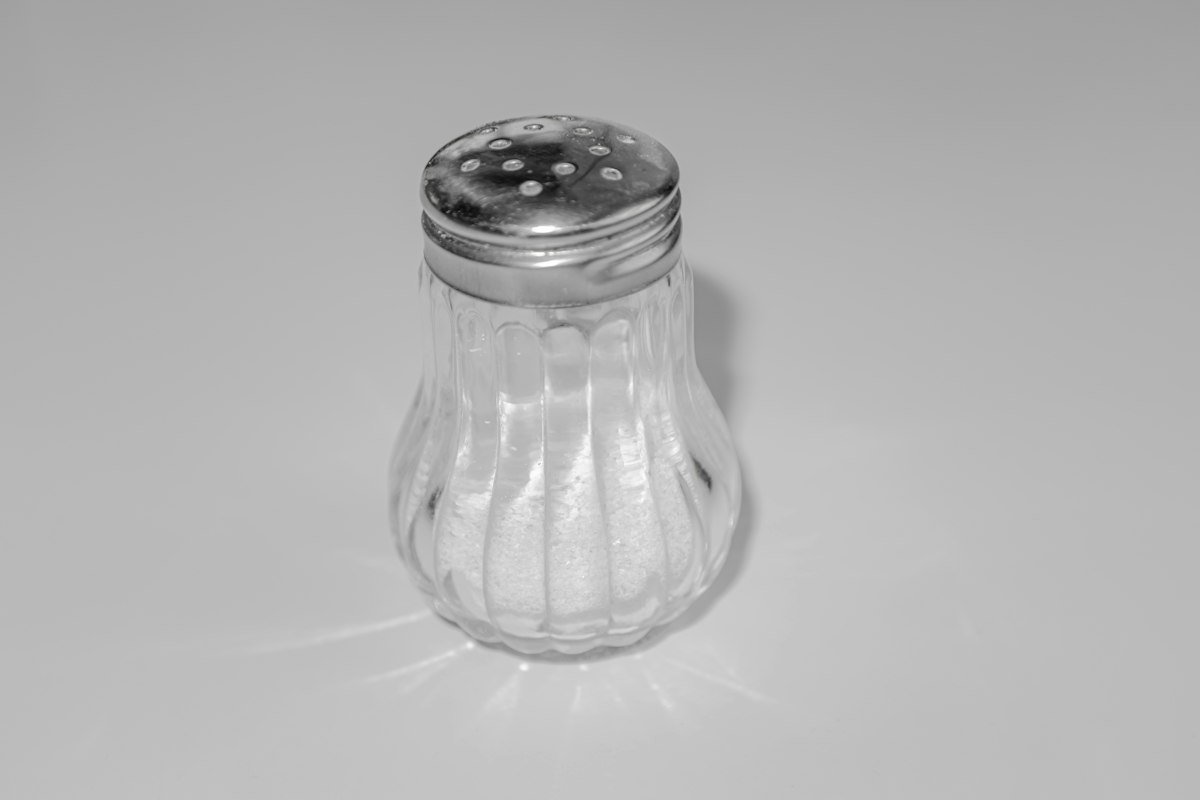
Salt substitutes may contain potassium chloride. Learn when kidney health and medicines matter, how to read sodium labels, and other ways to add flavor.