Why Do I Feel Dizzy After Eating? Causes and Warning Signs
Dizzy after eating? Learn about post-meal blood pressure drops, glucose changes, medication effects, hydration, and warning signs.
Atrial fibrillation can occur without noticeable symptoms. Learn how it is found, what watch alerts mean, and why stroke prevention still matters.
Pulse pressure is the difference between your top and bottom blood pressure numbers. Learn why the full reading and its pattern matter more than one calculation.
Normal daytime readings do not always describe blood pressure during sleep. Learn what nighttime monitoring can clarify and what to ask next.
Excess aldosterone can contribute to high blood pressure. Learn how screening works and why preparation and interpretation need clinical guidance.
Blood pressure that stays high despite several medicines needs a structured review. Learn what doctors check before diagnosing resistant hypertension.
High cholesterol is not always explained by food choices alone. Thyroid function can be part of the assessment, especially when results change unexpectedly.
A wearable monitor records blood pressure during ordinary activities and sleep. Preparation and a useful diary help your clinician interpret the pattern.
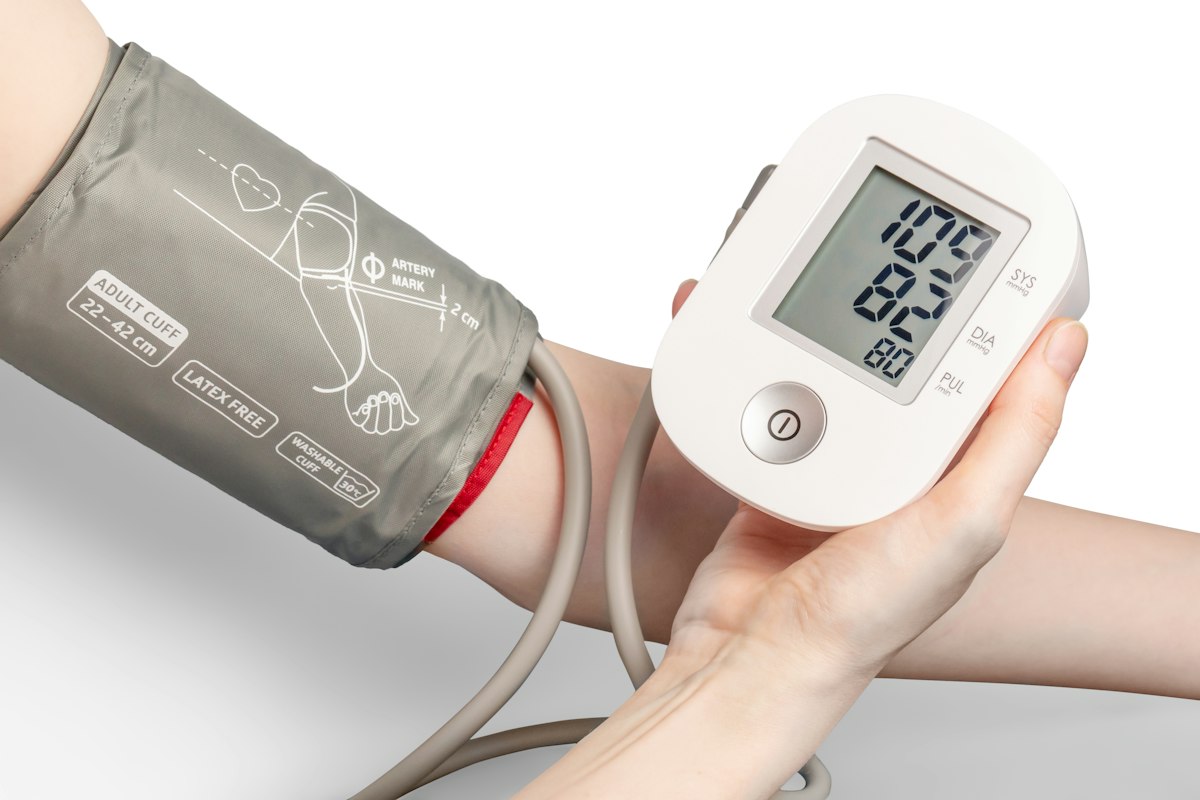
The lower number on your monitor measures diastolic pressure. Learn why it matters alongside the top number, your symptoms, and the quality of the measurement.
Menopause can be a useful time to review cardiovascular health. Understand changes in cholesterol without assuming they are inevitable or harmless.