Is Xylitol Bad for Your Heart? What Research Really Says
A 2024 study raised questions about whether higher circulating xylitol levels may be associated with cardiovascular events and increased platelet acti


Going gluten-free before testing can make celiac disease harder to diagnose. Learn how the investigation works and what to ask your clinician.
Dairy-related bloating does not always mean you must avoid every dairy food. Understand lactose intolerance and how to find a suitable eating pattern.
Kidney disease does not mean eliminating protein. Understand how clinicians balance kidney protection with muscle health and adequate nutrition.
Should you cut calcium after kidney stones? Learn why food-based calcium, stone type, sodium, and fluids matter—and when supplements need individual advice.
Salt substitutes may contain potassium chloride. Learn when kidney health and medicines matter, how to read sodium labels, and other ways to add flavor.
Whole wheat, multigrain, or brown bread? Learn how to compare ingredients, fiber, sodium, and serving sizes to choose bread that fits your everyday meals.
Start the DASH eating pattern with familiar meals, simple sodium label checks, budget-friendly planning, and advice on when kidney disease requires adaptations.
Your afternoon coffee may affect your night. Learn how caffeine timing, drink size, and individual sensitivity can shape a practical sleep routine.
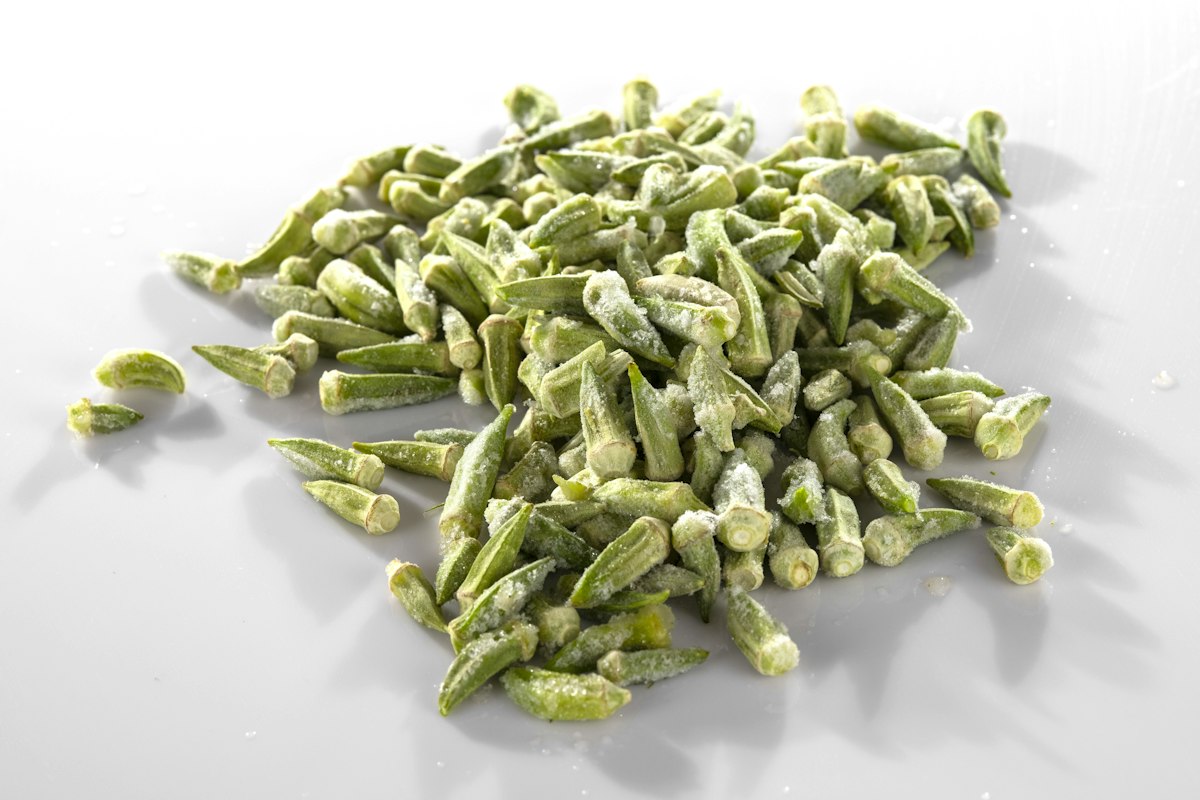
Frozen vegetables can make everyday meals easier. Learn what to check on the label, how to compare sodium, and practical ways to use them.