Anthony Ofori | Medical Graduate in General Medicine | Founder, WellNest Central
Last updated: 24 September 2026
Your A1C comes back higher than expected, but your fasting glucose looks normal. Could low iron explain the mismatch?
Sometimes. The link between iron deficiency and A1C matters most when iron deficiency has caused anemia. In that situation, A1C can read higher than the glucose pattern suggests. But a normal fasting result does not prove that iron is the cause: glucose can also rise at other times of day. The practical answer is to look at both kinds of test, and check for anemia when the history fits.
Why can iron deficiency affect A1C?
A1C estimates how much glucose has attached to hemoglobin inside red blood cells over roughly the past three months. It depends on both glucose exposure and the condition and lifespan of those cells.
The NIDDK notes that a falsely high A1C can occur when someone is very low in iron, including with iron-deficiency anemia. The NGSP, which standardizes A1C testing, also reports that iron-deficiency anemia is associated with higher A1C and that the result can change after iron deficiency is treated.
That does not mean every person with a low iron value will have a falsely high A1C, or that any particular elevated A1C can be dismissed. The size of the effect varies, and a person can have iron-deficiency anemia and genuinely elevated glucose.
What if fasting glucose is normal?
Fasting glucose measures one moment after an overnight fast. A1C reflects a longer period. Higher glucose after meals, later in the day or on other days may help explain a result that looks inconsistent at first.
Our article on normal fasting glucose with a high A1C explores those patterns. It is worth considering them before attributing the entire difference to iron. Previous tests, symptoms, medicines, recent illness and the timing of the blood draws all add context.
How is iron-deficiency anemia checked?
Ask your healthcare professional whether a complete blood count (CBC) and ferritin or other iron studies fit your situation. A CBC can show whether hemoglobin is low; ferritin helps assess iron stores. The National Heart, Lung, and Blood Institute describes these tests and explains that iron deficiency may arise from blood loss, low intake or poor absorption.
Heavy menstrual bleeding is one possible reason for iron deficiency. Bleeding from the digestive tract is another, especially if the cause is not obvious. Identifying why iron is low matters as much as correcting the number. Do not start high-dose iron simply to change an A1C result without checking whether iron deficiency is present and discussing its cause.
Which glucose test can help if A1C may be unreliable?
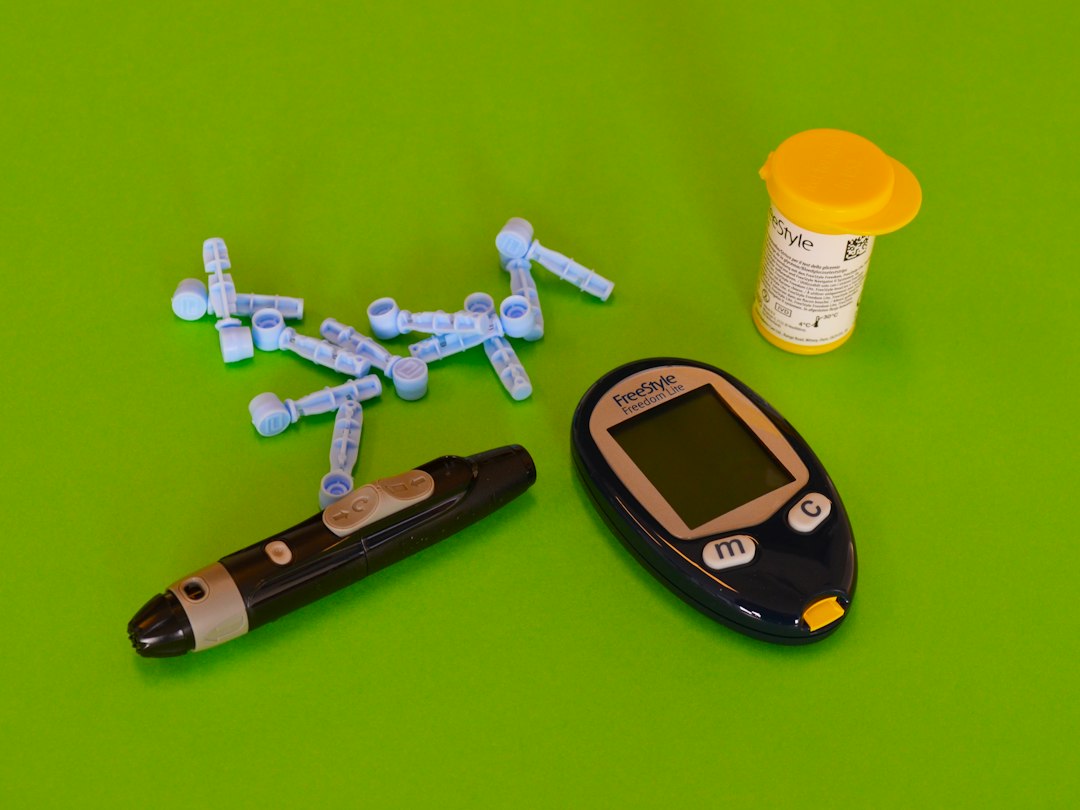
Your clinician may confirm the picture with a laboratory fasting plasma glucose test or an oral glucose tolerance test, depending on the question. If you already have diabetes, glucose readings from a meter or continuous glucose monitor may help show whether the A1C matches day-to-day values. These options answer different questions, so the appropriate choice depends on whether you are being screened, diagnosed or monitored.
A1C is not the only result that can be affected by blood conditions. Recent blood loss, transfusion, dialysis, treatments that alter red cell production, and certain hemoglobin variants may also change its interpretation. The direction can differ. Tell your clinician if any applies rather than assuming all anemia makes A1C high.
WELLNEST CENTRAL CONSULTATIONS
Make sense of conflicting results
Bring your A1C, glucose and iron results. We can help you organise focused questions for your healthcare professional.
What should you do with a high A1C and possible low iron?
- Check the exact results and dates. Compare the A1C with prior A1C and laboratory glucose tests, not just one home reading.
- Ask whether anemia is present. A CBC and ferritin may be appropriate if you have a history of low iron, heavy bleeding or suggestive symptoms.
- Discuss glucose-based confirmation. Your clinician can decide whether a fasting plasma glucose test, oral glucose tolerance test or monitoring data are needed.
- Address the cause of iron deficiency. If confirmed, discuss treatment and any investigation for bleeding or poor absorption.
- Agree on when to reassess. A1C reflects weeks to months, so a follow-up plan should account for both iron treatment and changes in glucose.
If a repeat A1C is being used to diagnose prediabetes or diabetes, remember that it is only one part of the assessment. See our guide to A1C ranges and what the numbers mean for the usual thresholds.
Questions to ask at your appointment
- Could iron-deficiency anemia make my A1C less reliable?
- Do my fasting or other glucose results suggest the same pattern?
- Should I have a CBC, ferritin or another iron test?
- Would a fasting plasma glucose test or oral glucose tolerance test clarify the diagnosis?
- After treating a confirmed iron problem, when should my results be reviewed again?
The takeaway
Iron-deficiency anemia can make A1C appear higher than glucose alone would suggest. It is a reason to investigate a mismatch, not a reason to ignore an elevated result. Confirm the iron picture, look at glucose directly when needed, and make decisions with a healthcare professional who can interpret both.
For help preparing those questions, book a WellNest Central consultation. This provides health education and appointment preparation; your clinician makes diagnostic and treatment decisions.
This article is for general education and does not replace personal medical advice. Seek prompt medical care if you have significant bleeding, faintness, chest pain or severe illness. Do not change diabetes medicine or begin iron treatment based only on this article.



Pingback: Low Ferritin With Normal Hemoglobin: Can You Still Be Iron Deficient? - Wellnest Central