Quick answer: Yes. If you have diabetes, your blood sugar can rise while you are sick even when you have eaten very little. Illness triggers hormones that make it harder for insulin to work. But eating less can also cause low blood sugar, depending on your medicines and circumstances. Your readings and your own sick day plan matter more than assumptions about what your appetite should do to your glucose.
Imagine waking with a fever and no interest in breakfast, then seeing a higher glucose reading than usual. It can seem contradictory. The CDC explains that the hormones your body releases to fight illness can raise blood sugar. This can happen with a cold, flu, a stomach illness or another infection. It is one reason to prepare for sick days before the next one arrives.
Anthony Ofori | Medical Graduate in General Medicine | Founder, WellNest Central
Last updated: 26 September 2026
Why does illness change your glucose?
When you are ill, stress hormones can increase the amount of glucose circulating in your blood and make your body more resistant to insulin. If you already have difficulty producing or using insulin, the rise may be noticeable even without your usual meals. The American Diabetes Association (ADA) recommends planning for these changes with your diabetes care team.
Other parts of being unwell can add to the picture. Fever and poor fluid intake may leave you dehydrated. Some infections and medicines, including certain steroid treatments, can push glucose higher. A single number does not tell you which factor is responsible, so note when your symptoms began, what you have been able to drink or eat, and whether you have taken any new medicines.
Could your blood sugar fall instead?
Yes. If you cannot eat your normal meals but still take insulin or a medicine that can cause a low, your blood sugar may fall. This is why “I ate less, so my glucose must be lower” and “I am sick, so it must be higher” are both unreliable shortcuts. The direction can change during the same illness.
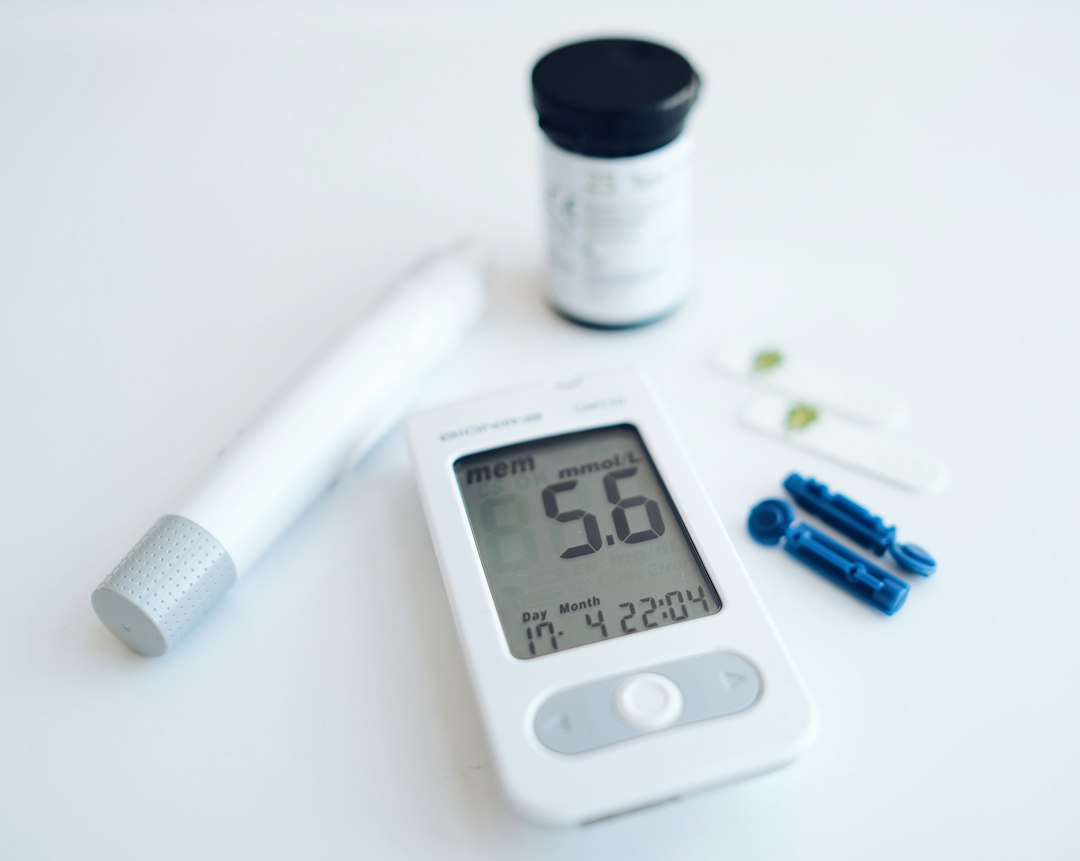
Check at the frequency in your personal sick day plan and record the time, reading, symptoms, food, drinks and medicines. If you use a continuous glucose monitor, follow your clinician’s advice about confirming a surprising reading with a finger-stick test. Our guide to when to check blood sugar after eating explains how the timing of a reading shapes what it can tell you; your sick day plan may call for additional checks.
A practical sick day checklist
- Check more often as your plan directs. The right schedule depends on your diabetes type, treatment, readings and how unwell you are. Have your meter, strips or monitor supplies available.
- Keep fluids going. Sip water regularly if you can. If you cannot keep fluids down, contact your healthcare team promptly; dehydration and vomiting can change the urgency of care.
- Plan for food and low readings. If you cannot manage a usual meal, ask your care team in advance what carbohydrate-containing drinks or foods to use and how to treat a low. Keep the supplies your plan recommends within reach.
- Follow medicine-specific instructions. Illness may change insulin needs, and vomiting or dehydration may affect whether some other medicines are safe to take temporarily. Ask your prescriber for written directions for each diabetes medicine rather than guessing or changing doses from an online example.
- Know whether to check ketones. This matters particularly for people at risk of diabetic ketoacidosis, including many with type 1 diabetes. Your plan should say when to test, what result requires a call and which supplies to keep at home.
The NHS-linked sick day guidance for type 2 diabetes describes how glucose can rise despite loss of appetite and how medication advice differs across drug classes. Insulin should not be stopped simply because you are not eating, but the dose plan needs personal guidance. If you are uncertain about your instructions, contact your diabetes team before changing treatment.
WellNest Central support
Make your sick day questions easier to discuss
We can help you organise your glucose records, daily habits and questions before a conversation with your diabetes care team.
When should you call for help?
Contact your healthcare team promptly if readings stay outside the range in your sick day plan, you have repeated lows, you cannot eat, or you are vomiting or struggling to keep fluids down. Ask for urgent advice if you are unsure what to do with insulin or another medicine. A fever or illness that is not improving also deserves review. Follow any lower threshold your own team has given you.
Seek emergency care for signs of diabetic ketoacidosis, such as significant ketones together with worsening illness, repeated vomiting, stomach pain, fruity breath, deep or difficult breathing, marked drowsiness or confusion. The ADA lists these as warning signs and notes that ketoacidosis can become dangerous quickly. Do not wait for a routine appointment if you feel severely unwell.
What should be in your plan before you need it?
At your next review, ask your clinician to write down how often you should check glucose, your target and call thresholds, whether and when to check ketones, how to handle every medicine you take, what to drink or eat when appetite is poor, and whom to contact after hours. Keep your supplies and emergency contacts together. If you support a family member with diabetes, make sure you both know where that plan is.
When you recover, compare your readings with your usual pattern rather than treating one sick day result as a long-term verdict. Our guide to A1C explains how that test reflects a longer period and why it answers a different question from a glucose reading taken while you have a fever.
The takeaway
Blood sugar when sick may go up despite eating less, and in some situations it may go down. Check your readings, keep up fluids if you can, and follow the individual medicine and ketone instructions from your diabetes team. For help putting your health information and questions in order, connect with WellNest Central.
This article provides general health education. It does not replace individual medical advice, diagnosis, treatment or emergency care.