Anthony Ofori | Medical Graduate in General Medicine | Founder, WellNest Central
Last updated: October 13, 2026
This article provides general health education for adults and does not replace individual medical advice.
Your blood pressure looked fairly consistent during summer, but now the colder months have arrived and the readings are creeping upward. Is winter responsible, or does your treatment need review?
Cold weather can influence blood pressure. So can seasonal changes in activity, meals, sleep, illness, and medication use. The effect varies between people, and a persistent rise should not simply be dismissed because the weather changed.
The useful response is to check that your readings are comparable, identify changes in your routine, and share a clear pattern with your healthcare team.
How does cold affect circulation?
In cold conditions, blood vessels near the body’s surface narrow to help conserve heat. That response can increase resistance to blood flow and raise blood pressure.
The American Heart Association explains how cold weather affects the body, including its effects on circulation. People with cardiovascular conditions may need particular care during cold exposure and strenuous outdoor activity.
This does not mean every higher winter reading is caused directly by temperature. A measurement taken immediately after rushing in from the cold also reflects activity and the conditions of the test.
Look for a repeated pattern under similar circumstances before drawing conclusions about your usual blood pressure.
Keep healthy routines going through colder months
Explore educational support for activity, food choices, sleep, and practical everyday habits. Explore consultation options.
Check the way you are measuring
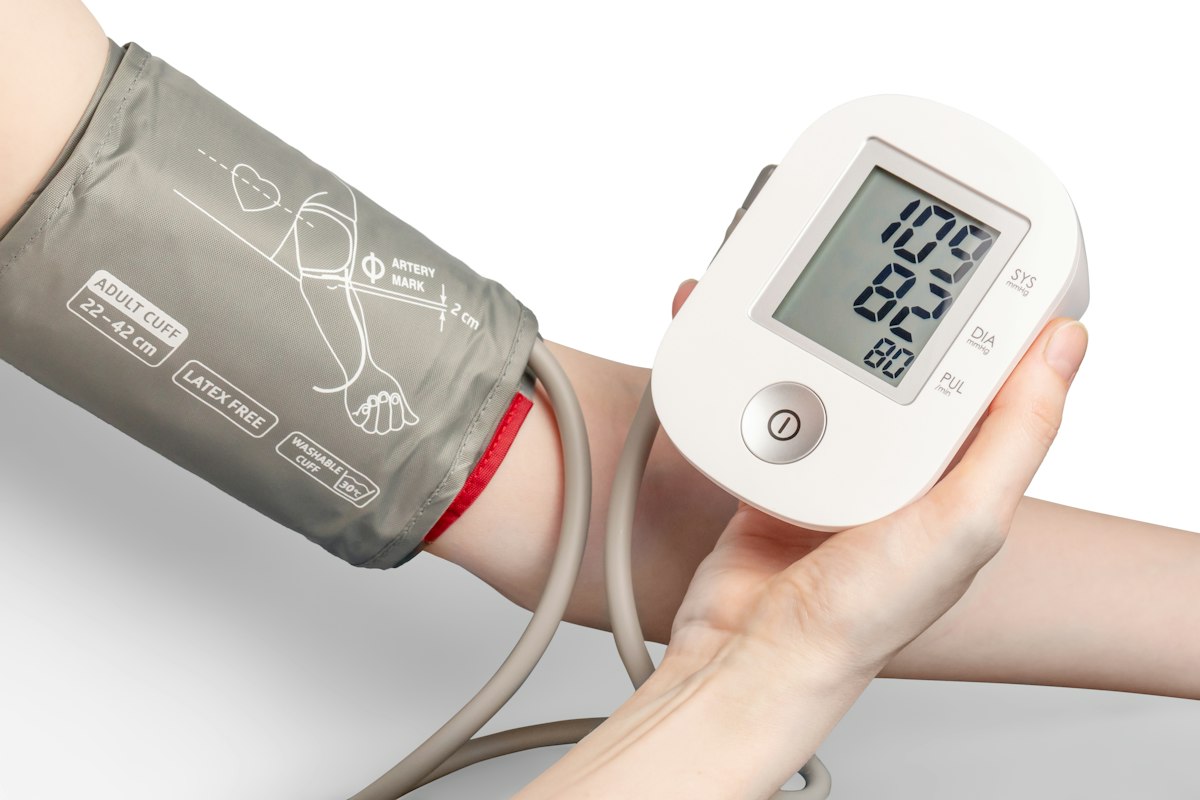
Measure indoors in a comfortable environment after you have settled, rather than immediately after cold exposure or exertion. Use the same arm as advised by your clinician and an appropriately sized upper-arm cuff.
The AHA home blood pressure monitoring guide recommends quiet rest, correct posture, and avoiding exercise, caffeine, and smoking for 30 minutes beforehand.
Empty your bladder, support your back and arm, keep your feet flat, and do not talk during the measurement. Take two readings one minute apart when following a home monitoring plan.
A cuff placed over a thick winter sleeve is not a reliable shortcut. Our article on blood pressure cuff size explains why fit matters too.
Winter habits can influence the pattern
Shorter days and poor weather may reduce walking and other activity. Seasonal meals may contain more sodium, and celebrations can change alcohol intake or sleep schedules.
Illness can disrupt routines and lead to missed medication. Some cold remedies, decongestants, and pain medicines may also affect blood pressure or interact with treatment.
Rather than blaming winter as a whole, look for concrete changes. Have you stopped your regular walk? Started a new cold product? Been sleeping poorly? Found it harder to refill prescriptions?
These details give your clinician something useful to work with. Bring the product packaging or ingredient list if you are unsure what you have been taking.
A higher reading does not automatically mean treatment has failed
Blood pressure varies through the day and between days. One measurement should be interpreted differently from a sustained change across a properly collected record.
If your clinician has asked you to monitor at home, follow the agreed schedule and record all results rather than selecting only the best or worst. Note unusual circumstances such as fever, pain, or poor sleep.
The NHLBI guidance on living with high blood pressure emphasizes continued treatment and regular follow-up. Medication plans may need adjustment over time, but that decision belongs in a clinical review.
Do not double a dose after one elevated reading, stop treatment when a result looks better, or borrow another person’s medicine.
What should you send to your healthcare team?
A short, organized record is more helpful than a message saying “my pressure is high.” Include the dates, times, readings, and whether you followed your usual technique.
Also mention:
- Your current medication doses and any missed doses.
- New prescription, cold, pain, or supplement products.
- Symptoms such as headache, dizziness, chest discomfort, or breathlessness.
- Recent illness or major changes in activity, sleep, alcohol, or meals.
- Whether the readings differ substantially from your previous baseline.
Ask what average or repeated level should trigger contact for your particular situation. Individual targets may differ, especially with other conditions or a history of treatment-related dizziness.
Stay active without making cold exposure a challenge
You do not need to prove fitness by exercising hard outdoors in uncomfortable conditions. Indoor walking, home exercise, or shorter manageable sessions may help preserve your routine.
If you do go outside, dress appropriately and build up effort gradually. Unaccustomed strenuous tasks, including heavy snow clearing, deserve caution when cardiovascular risk is present.
Choose activities that fit your health, mobility, and local conditions. A safe routine you maintain is more valuable than an ambitious plan that stops when the weather becomes unpleasant.
For meals, our DASH diet introduction offers practical ideas. Adapt any eating plan to your medical needs, particularly if you have kidney disease or specific dietary restrictions.
Do not overlook access and comfort
Keeping a routine can be harder when heating costs, unsafe pavements, or limited daylight create practical barriers. These are real obstacles, not failures of motivation.
Consider whether you can move activity to a safer indoor space, prepare convenient lower-sodium meals, or set up prescription reminders. Ask your healthcare team or local services about support if cold housing or medication access is affecting your health.
Keep the monitor and supplies in a suitable indoor location according to the manufacturer’s instructions. A consistent setup makes it easier to repeat measurements without rushing or changing conditions each time.
When does a high result need urgent attention?
If systolic pressure is above 180 or diastolic pressure is above 120 mm Hg and you have chest pain, breathlessness, weakness, vision changes, or difficulty speaking, seek emergency help. Do not wait for the weather to warm up or assume the reading is seasonal.
If you have no concerning symptoms, wait at least one minute and repeat the measurement. If it remains that high, contact a healthcare professional immediately for instructions.
Severe symptoms can require emergency care even when your reading is below those values. A home monitor should support decisions, not overrule how seriously unwell you feel.
Follow the trend through the season
Blood pressure higher in winter can reflect both temperature and changes in daily life. Careful measurement helps distinguish a real pattern from inconsistent testing.
Continue treatment, keep a useful record, and discuss sustained changes with your clinician. The aim is steady care across seasons rather than waiting for summer to solve the problem.
Want support with your everyday health habits?
Explore educational lifestyle support alongside your medical care. Explore One-on-One Consultation Options.