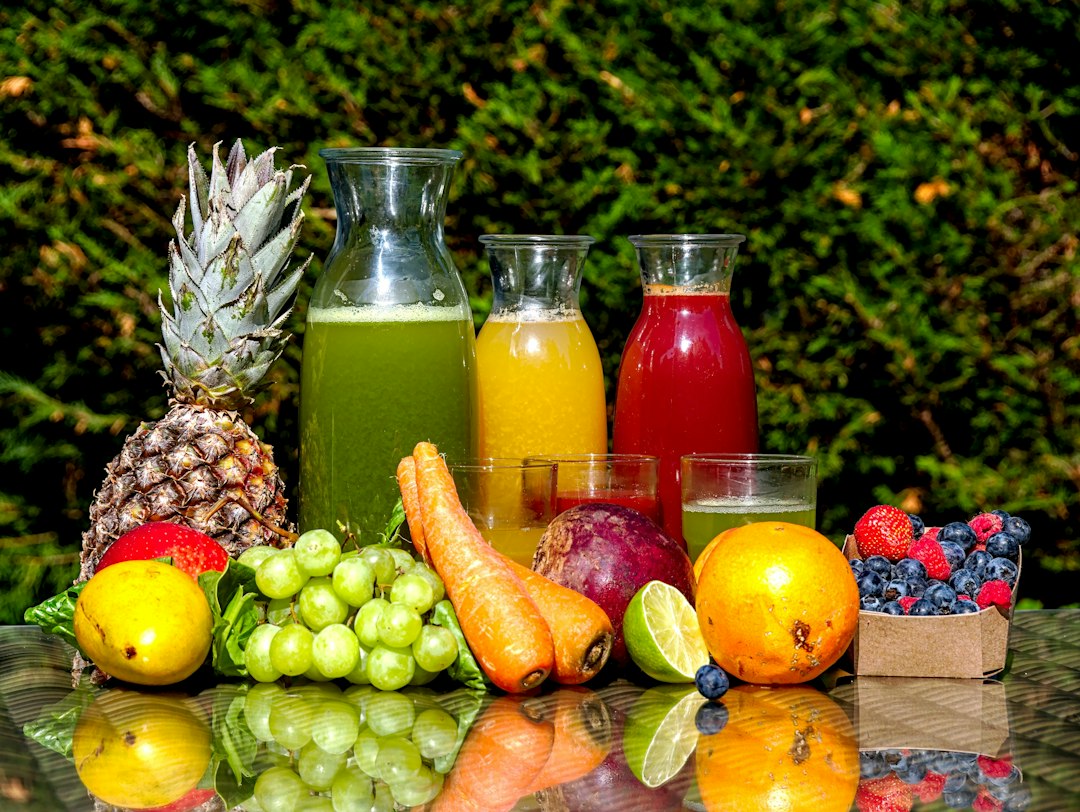
Gut health juices can be refreshing and may contribute fluid, vitamins and plant compounds. They are not, however, a detox, a microbiome “reset” or a treatment for persistent digestive symptoms. Most juicing removes much of the fibre that supports regular bowel movements and helps feed gut microbes.
The most useful choice depends on your goal. Prune juice may help some people with constipation; a smoothie can retain fibre; and a cultured dairy drink may contain live microorganisms if the label confirms it. None is automatically right for irritable bowel syndrome, reflux, diabetes or inflammatory bowel disease.
BUILD A GENTLER FOOD ROUTINE
A one-on-one consultation can help you notice symptom patterns and create realistic meal, hydration and lifestyle habits while you seek medical care for ongoing problems.
What “Gut Health” Actually Includes
Gut health is broader than having a daily bowel movement. It involves digestion, absorption, the intestinal barrier, immune activity, gut-brain signalling and a diverse community of microorganisms. No single drink can measure or optimise all of these systems.
Bloating, gas and stool frequency also vary between people. A food that feels comfortable for one person may trigger symptoms in another, particularly with lactose intolerance, reflux or irritable bowel syndrome.
Juice Versus a Smoothie
A juicer separates most pulp from the liquid. This reduces fibre and allows a person to consume several pieces of fruit quickly. A blender generally keeps the edible fibre, so a smoothie made with whole fruit, vegetables, oats, seeds or yoghurt is often more filling.
That does not make every smoothie healthy. Large portions, added syrups and sweetened yoghurt can turn it into a high-sugar meal. Use a cup or bowl portion, keep added sugar low and include protein or healthy fat when the drink is intended to replace a meal.
Five Options—and What Each Can Realistically Do
1. Water-Rich Vegetable Juice
A mostly vegetable juice can provide fluid and micronutrients. Choose lower-sodium versions, especially when blood pressure is a concern. It still lacks much of the fibre in the original vegetables, so keep whole vegetables in meals rather than treating juice as a replacement.
2. Prune Juice for Occasional Constipation
Prune juice contains sorbitol, a carbohydrate that can draw water into the bowel, and may help some people with occasional constipation. Begin with a small portion because larger amounts can cause cramping, gas or diarrhoea. People with diabetes should account for the carbohydrate content.
Constipation management usually also includes adequate fibre, fluid and activity when appropriate. If you increase fibre, do so gradually to reduce bloating.
3. A Whole-Fruit and Oat Smoothie
Blending berries or a small banana with oats and unsweetened milk or fortified plant drink retains more fibre than extracting juice. Oats provide soluble fibre, which some people tolerate well. Additions should fit your dietary needs and allergies.
For someone with irritable bowel syndrome, certain fruits or portion sizes may worsen symptoms because of fermentable carbohydrates. A registered dietitian can help individualise changes instead of eliminating many foods without a plan.
4. Yoghurt or Kefir-Based Drinks
Some refrigerated yoghurt and kefir products contain live cultures. Check the label; not every shelf-stable “probiotic” drink contains the same organisms or amount. Benefits are strain- and condition-specific, so “billions of cultures” is not a guarantee that a product will treat your symptom.
Choose unsweetened options when possible. People with milk allergy must avoid dairy, while some people with lactose intolerance may tolerate cultured products differently.
5. Ginger-Containing Drinks
Ginger may help some types of nausea, but it does not cleanse the intestines or cure an underlying digestive disease. Concentrated ginger can cause heartburn and may matter with medicines affecting bleeding or blood sugar.
A mild homemade drink is different from a high-dose extract. If nausea is persistent, associated with dehydration, severe pain or weight loss, investigate the cause.
Claims to Treat With Caution
- “Detoxes the gut.” The liver, kidneys and gastrointestinal tract already process and eliminate waste; a juice cleanse is not required.
- “Feeds good bacteria.” Fermentable fibres can support gut microbes, but much of the fibre is removed during juicing.
- “Contains probiotics.” Fruit and vegetable juice does not automatically contain proven live cultures.
- “Reduces bloating.” Some high-fructose or sugar-alcohol-containing drinks may increase bloating.
- “Replaces vegetables.” Juice does not provide the same chewing, fibre and fullness as whole produce.
How to Choose a Safer Product
Read the ingredients and nutrition panel. Compare serving size, added sugar, total carbohydrate and sodium. Refrigerate products as directed, and be cautious with unpasteurised juice because it can contain harmful bacteria. Pregnant people, young children, older adults and anyone with a weakened immune system are especially vulnerable to foodborne illness.
Avoid combining many powders and herbs in the same drink. If fatigue is the reason you are reaching for fortified juice, see the evidence and safety guide to energy supplements after 40. For sustainable weight goals, read why weight regain happens and what supports maintenance.
When Digestive Symptoms Need Medical Care
Seek prompt care for blood or black stool, severe or worsening abdominal pain, repeated vomiting, inability to pass stool or gas with swelling, fever, fainting, signs of dehydration, difficulty swallowing or unexplained weight loss. Persistent constipation, diarrhoea, reflux or bloating should also be assessed rather than managed indefinitely with drinks.
Sources
- National Institute of Diabetes and Digestive and Kidney Diseases: Eating, diet and nutrition for constipation
- NIDDK: Eating, diet and nutrition for irritable bowel syndrome
This article is for general education and does not diagnose digestive symptoms or replace advice from a qualified healthcare professional or registered dietitian.
FIND A ROUTINE YOUR GUT CAN LIVE WITH
Get personalised support with food patterns, hydration, sleep and stress—without detox claims or one-size-fits-all restrictions.
Anthony Ofori | Medical Graduate in General Medicine | Founder, WellNest Central



Pingback: How to Start a Sustainable Weight-Loss Journey: 10 Practical Steps - Wellnest Central