Last updated: 21 September 2026
Your fasting blood sugar comes back normal—but your A1C falls within the prediabetes or diabetes range.
Which result should you believe?
Although the numbers may appear contradictory, they measure different aspects of blood-sugar control. A fasting-glucose test captures one moment after several hours without food. A1C estimates your average glucose exposure over approximately two to three months.
This means it is possible for your fasting result to look reassuring while higher readings at other times of the day raise your A1C.
This article provides general health education and does not replace individual medical diagnosis or treatment.
Confused by your blood-sugar results?
Get practical, personalised guidance based on your results and lifestyle.
What Does a Fasting-Glucose Test Measure?
A fasting plasma glucose test measures the glucose circulating in your blood at the time the sample is taken. You will normally be asked not to eat or drink anything except water for at least eight hours beforehand.
According to commonly used diagnostic thresholds:
| Fasting plasma glucose | General interpretation |
|---|---|
| Below 100 mg/dL or 5.6 mmol/L | Normal range |
| 100–125 mg/dL or 5.6–6.9 mmol/L | Prediabetes range |
| 126 mg/dL or 7.0 mmol/L and above | Diabetes range—usually requiring confirmation |
A fasting result is valuable, but it represents only one part of the day. It does not show what happens after breakfast, lunch, dinner, snacks, poor sleep or a stressful afternoon.
What Does A1C Measure?
A1C—also called HbA1c—measures the percentage of haemoglobin in your red blood cells that has glucose attached to it.
Because red blood cells circulate for several months, the test provides a longer-term picture of glucose exposure. More recent weeks influence the result more strongly than the earliest weeks included in the measurement.
The National Institute of Diabetes and Digestive and Kidney Diseases lists the following diagnostic ranges:
| A1C result | General interpretation |
|---|---|
| Below 5.7% | Normal range |
| 5.7–6.4% | Prediabetes range |
| 6.5% and above | Diabetes range—usually requiring confirmation |
These ranges help with diagnosis, but they are not the same as an individual treatment target. A suitable A1C goal for someone already living with diabetes may vary according to age, medication, other health conditions and the risk of low blood sugar.
Why Can Fasting Glucose Be Normal While A1C Is High?
Several explanations are possible.
1. Your blood sugar may rise significantly after meals
A normal morning result does not rule out large rises after eating.
Carbohydrate-containing foods are broken down into glucose. The pancreas releases insulin to help move that glucose from the bloodstream into cells. When insulin is not working efficiently, glucose may remain elevated for longer after a meal.
By the following morning, your blood sugar may have returned to normal. However, repeated post-meal elevations can still increase your overall glucose exposure and therefore your A1C.
This is one of the most common reasons someone may have normal fasting glucose but high A1C.
2. Your evening blood sugar may remain elevated
Large portions, frequent evening snacks, sugary drinks or meals containing substantial amounts of rapidly digested carbohydrate may keep blood sugar elevated for several hours.
If your glucose eventually falls before the fasting test, the morning reading may not reveal what happened during the evening.
This does not mean that carbohydrates must be eliminated. Portion size, fibre, food combinations, timing and individual glucose tolerance all influence the response.
3. Early insulin resistance may appear after meals first
During the early stages of insulin resistance, the pancreas may still produce enough insulin to keep fasting glucose within the normal range.
After eating, however, the body may struggle to manage the sudden arrival of glucose. Post-meal readings can therefore become abnormal before fasting glucose rises consistently.
Over time, if insulin resistance progresses and the pancreatic cells can no longer compensate sufficiently, fasting glucose may also begin to increase.
Learn more from the WellNest Central Metabolic Health section.
4. Overnight and early-morning hormones can affect the pattern
Hormones such as cortisol, growth hormone, glucagon and adrenaline help ensure that your body has enough energy during sleep and upon waking.
In some people, these hormonal changes contribute to an early-morning glucose rise known as the dawn phenomenon. In others, overnight glucose may remain normal even though daytime and evening readings are frequently elevated.
The timing of a blood test can therefore provide only one view of a changing 24-hour pattern.
5. The A1C result may not accurately represent your glucose
A1C depends on both glucose exposure and the behaviour of red blood cells. Conditions affecting haemoglobin or the lifespan of red blood cells can make the result appear higher or lower than expected.
Possible influences include:
- Iron-deficiency anaemia
- Vitamin B12 or folate deficiency
- Recent blood loss or blood transfusion
- Haemolytic anaemia
- Chronic kidney disease
- Liver disease
- Pregnancy
- Certain haemoglobin variants
- Some medicines
- Conditions affecting red-blood-cell production
For example, if red blood cells remain in circulation longer than usual, they have more time to accumulate glucose. This may make A1C appear higher than the person’s actual average glucose would suggest.
Conversely, conditions that shorten red-blood-cell survival may produce an A1C that appears unexpectedly low.
This is particularly important for people with sickle-cell trait or other haemoglobin variants. Some modern laboratory methods can measure A1C accurately in the presence of specific variants, while others may be affected.
Does One High A1C Mean You Have Diabetes?
Not necessarily.
In the absence of clear symptoms and very high blood sugar, an abnormal test used to diagnose diabetes normally needs to be confirmed. Confirmation may involve repeating the A1C or using another test, such as fasting plasma glucose or an oral glucose-tolerance test.
A laboratory A1C of 6.5% or above can fall within the diabetes range, but diagnosis should not be made from an unconfirmed home testing device or an isolated result interpreted without context.
Likewise, an A1C between 5.7% and 6.4% indicates increased diabetes risk, not an inevitable future diagnosis.
Prediabetes is an opportunity to investigate what is driving the result and begin making sustainable changes.
What Should You Do When the Results Disagree?
Do not ignore either number, and do not panic.
Confirm that the test was performed correctly
A1C does not require fasting, but fasting glucose does. Food, caloric drinks, acute illness and certain medicines may influence a glucose result. If a result seems unexpected, ask whether repeating it is appropriate.
Review previous results
One number becomes more meaningful when compared with earlier measurements.
Has your A1C risen gradually? Is fasting glucose also moving upward, even though it remains within the laboratory’s reference range? Are triglycerides, waist circumference or blood pressure changing?
Trends often reveal more than one isolated result.
Consider checking glucose at other times
Depending on your clinical situation, a healthcare professional may recommend checking glucose:
- Before a meal
- One or two hours after a meal
- At bedtime
- When symptoms occur
- At different times on several days
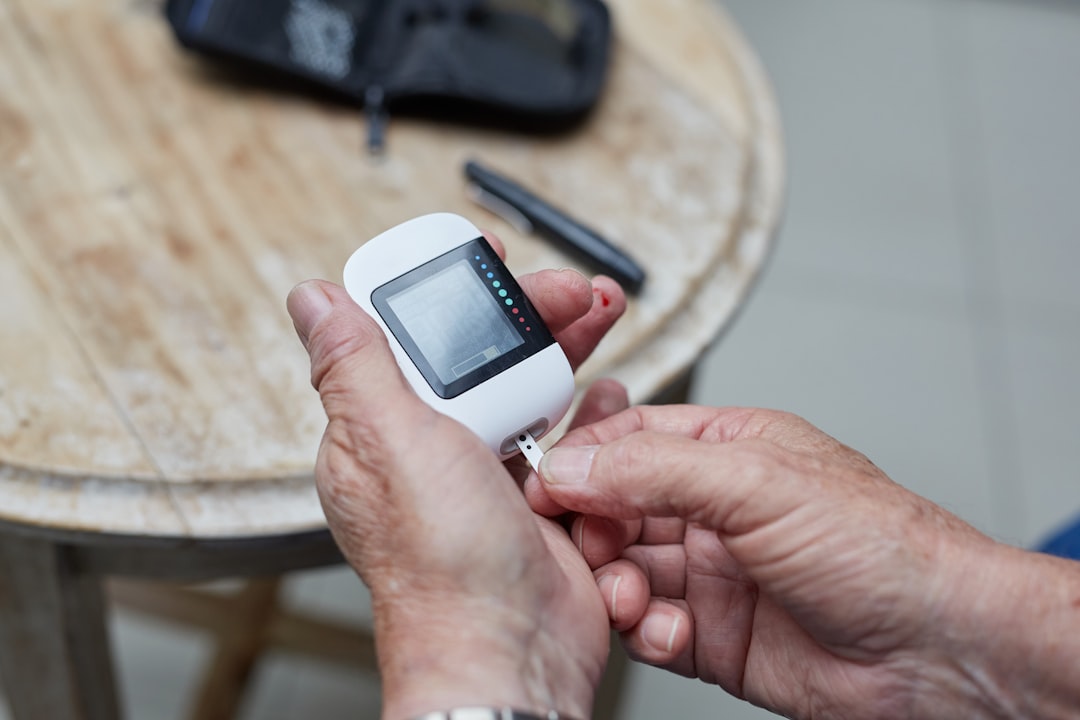
A glucose meter or continuous glucose monitor should not become a source of constant anxiety. When used for a clear purpose, however, it may help identify patterns that fasting glucose misses.
Discuss factors that could distort A1C
Tell your healthcare professional about anaemia, kidney or liver disease, recent bleeding or transfusion, pregnancy, known haemoglobin variants, medicines, supplements and any recent major illness.
If A1C is considered unreliable, alternative measurements such as fructosamine, glycated albumin, an oral glucose-tolerance test or structured glucose monitoring may sometimes be considered.
Practical Ways to Improve Your Blood-Sugar Pattern
The most useful changes usually address the whole day rather than focusing only on your morning reading.
Build balanced meals
Combine carbohydrate foods with vegetables, fibre, protein and an appropriate source of healthy fat. This can slow digestion, improve fullness and reduce the size of some post-meal glucose rises.
Examples include:
- Oats with plain yoghurt, berries and nuts
- Rice with vegetables, beans and fish
- Whole-grain bread with eggs and salad
- Lentils with vegetables and a suitable protein source
Watch liquid sugar
Soft drinks, sweetened coffee, energy drinks and large servings of fruit juice can deliver glucose rapidly. Because liquids may be less filling than solid food, they can also be easy to consume in excess.
Walk after eating
A brief walk after a meal encourages active muscles to use glucose. It does not need to be intense to be useful.
If you sit for long periods, breaking up that sitting time with short movement intervals may also support healthier glucose regulation.
Protect muscle
Resistance training helps preserve and build muscle tissue. Muscle is a major site of glucose disposal, making strength and physical function important parts of long-term metabolic health.
Improve sleep
Short, disrupted or irregular sleep may affect insulin sensitivity, appetite and food choices. Addressing possible sleep apnoea can be especially important for people who snore loudly, wake unrefreshed or experience severe daytime sleepiness.
Make changes you can repeat
A perfect meal followed by six days of unsustainable restriction is less useful than a realistic pattern you can maintain.
For a structured approach to improving blood-sugar habits, explore The Prediabetes Reset.
When Should You Seek Medical Advice Promptly?
Arrange medical evaluation if you have persistently abnormal results or symptoms such as:
- Increased thirst
- Frequent urination
- Unexplained weight loss
- Blurred vision
- Recurrent infections
- Marked fatigue
- Slow-healing wounds
- Nausea, vomiting or abdominal pain
Seek urgent medical help for severe weakness, confusion, difficulty breathing, persistent vomiting or markedly elevated glucose accompanied by worsening symptoms.
The Bottom Line
Having normal fasting glucose but high A1C is possible because the two tests measure different things.
Your fasting result captures one moment. A1C reflects longer-term glucose exposure but can sometimes be altered by conditions affecting red blood cells or haemoglobin.
Post-meal glucose rises, early insulin resistance, evening eating patterns and certain health conditions may all help explain the mismatch.
Rather than choosing one result and dismissing the other, look at the complete pattern. Confirm unexpected findings, review factors that could affect A1C and discuss whether additional testing is appropriate.
Would you like a practical plan for improving your blood-sugar pattern?
Receive personalised, medically informed lifestyle and nutrition guidance.



Pingback: Iron Deficiency and A1C: Can Anemia Make the Result Look High? - Wellnest Central
Pingback: When to Check Blood Sugar After Eating: 1 or 2 Hours?
Pingback: High Fasting Insulin With Normal Glucose: What It Means
Pingback: High Fasting Glucose but Normal A1C: What It Means