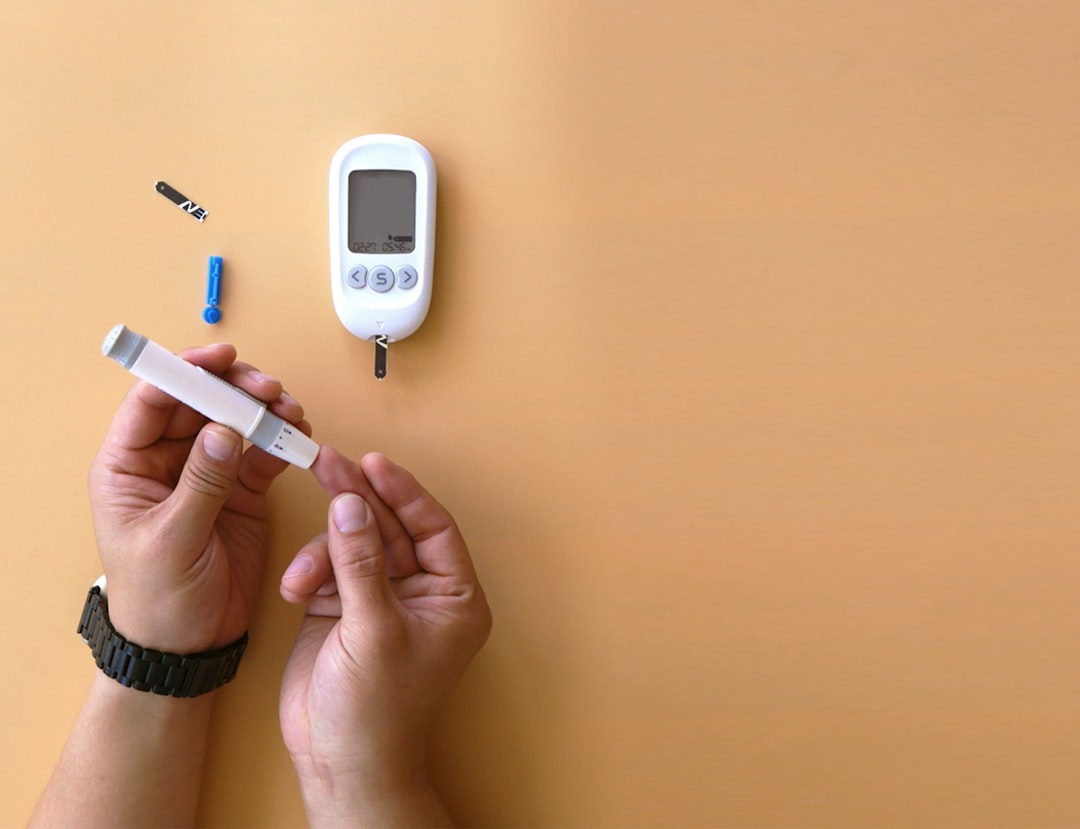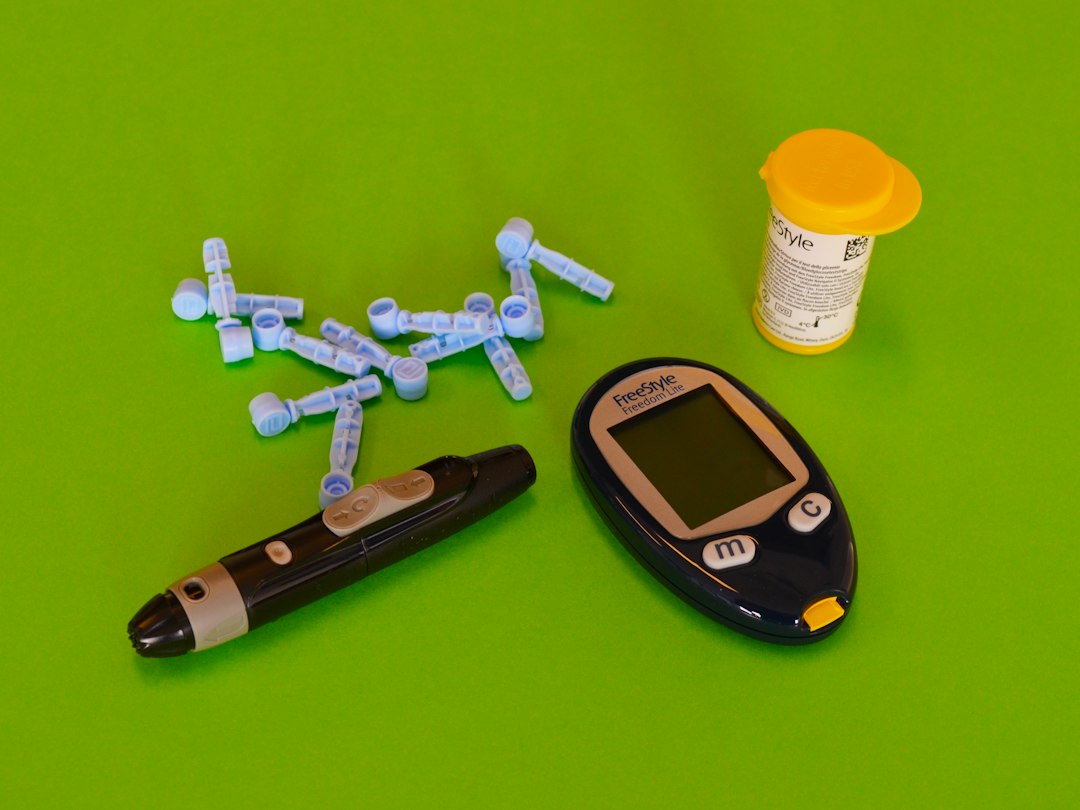
Blood glucose meter used to check blood sugar after eating
Blood glucose meter used for home monitoring.

When Should You Check Blood Sugar After Eating: 1 Hour or 2 Hours?

When should you check blood sugar after eating? Learn whether to measure at one or two hours, when the clock starts, and how to interpret your result.

Continue ReadingWhen Should You Check Blood Sugar After Eating: 1 Hour or 2 Hours?
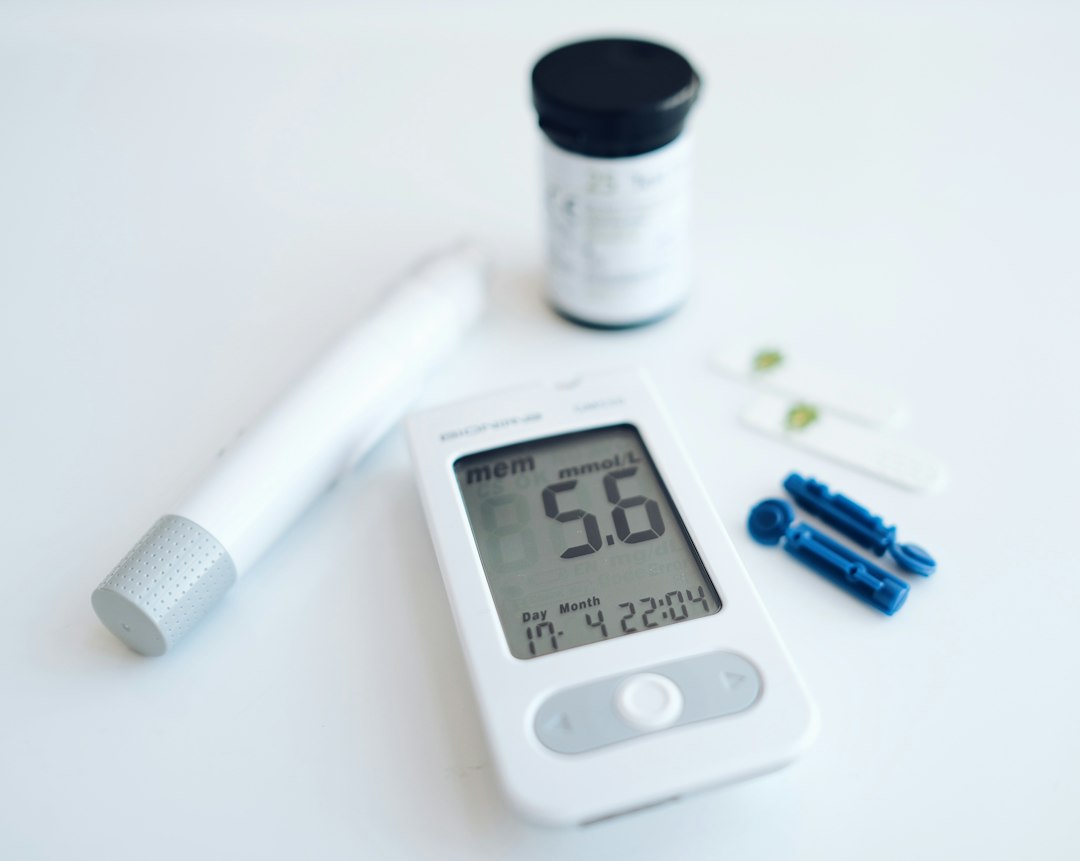
Blood glucose meter and test strips illustrating iron deficiency and A1C comparison
Blood glucose testing supplies.

Iron Deficiency and A1C: Can Anemia Make the Result Look High?

Iron deficiency and A1C can complicate a blood sugar result. Learn when anemia may make A1C look high, which iron and glucose tests can help, and what to ask your clinician.

Continue ReadingIron Deficiency and A1C: Can Anemia Make the Result Look High?
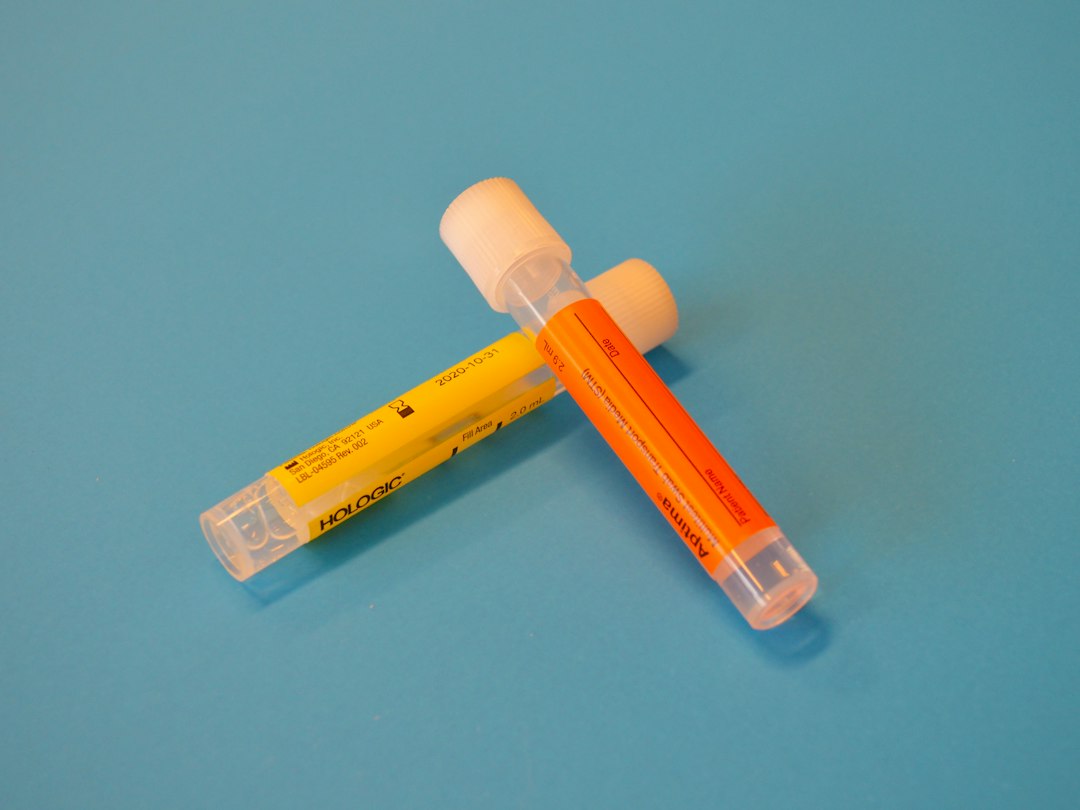
Laboratory urine specimen transport tubes for a blood in urine test
Laboratory transport tubes for urine testing.

Blood in Urine on a Test: What Does Microscopic Hematuria Mean?

A blood in urine test can raise questions even when your urine looks normal. Learn why a dipstick needs confirmation, what microscopic hematuria can mean, and when to seek care.

Continue ReadingBlood in Urine on a Test: What Does Microscopic Hematuria Mean?
Cystatin C test discussed alongside creatinine and eGFR results
A clinician and patient review blood-test results.

Cystatin C Test: When Creatinine and eGFR Don’t Tell the Full Story

A cystatin C test can help clarify kidney function when creatinine-based eGFR is uncertain. Learn when it helps, what the combined estimate shows and why urine tests still matter.

Continue ReadingCystatin C Test: When Creatinine and eGFR Don’t Tell the Full Story